Home Addition Contractor in Hudson Valley, NY
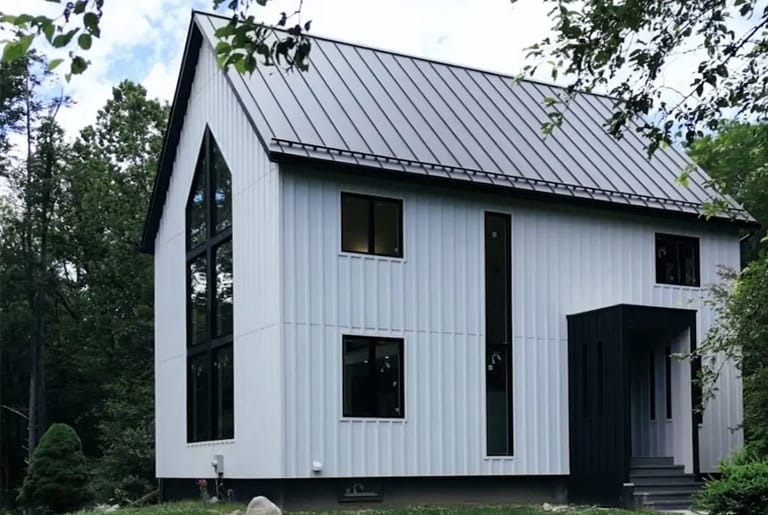
An addition that looks like it was always there is the hardest thing to build. The roofline has to match or transition correctly. The framing has to tie into the existing structure without creating differential settlement. The insulation at the intersection of old and new has to be thought through — because that's where moisture problems start. Timber Design + Build has built additions across the Hudson Valley, and the ones we're proud of are the ones where you have to look hard to find the seam.
We design and build home additions across Ulster, Orange, Dutchess, and Sullivan counties — room additions, master suite additions, and expanded footprints designed and built by one team.
Design + Engineering
An addition design has to resolve three things simultaneously: what the owner needs, what the existing house will accept structurally, and what the municipality will approve. Resolving all three before construction begins is what preconstruction is for.
The design phase includes program development — what the addition needs to contain and how it connects to the existing home — along with architectural drawings, structural engineering for the foundation design and connection to the existing structure, a complete permit application package, zoning review for setback compliance and lot coverage, and site analysis for drainage implications of the new footprint.
Foundation + Site Work
The addition's foundation is where it either settles correctly relative to the existing house or doesn't. A foundation that moves independently of the existing house creates cracked finishes, sticking doors, and visible separation at the connection point — problems that are expensive to fix and obvious to every future buyer.
We self-perform excavation and grading, foundation system construction (full basement, crawl space, or slab per design and site conditions), waterproofing and drainage at the foundation, utility extension from the existing house, and backfill with rough grade.
Framing + Structural Integration
Tying the addition frame into the existing structure is the moment when the project either becomes one building or two buildings that happen to be attached. The ledger connections, the roof tie-in, and the floor system bearing all need to be engineered and executed correctly.
Our crew self-performs floor framing tied to the existing structure, exterior wall framing, interior partitions, roof framing tied to the existing roofline, window and door rough openings, and sheathing with weather barrier installation. This is the phase where self-performing matters most — because the quality of the structural connection determines the long-term performance of the entire addition.
Planning a home addition?
Jeff or Chris will walk your site, assess the existing structure, and give you an honest evaluation of what's feasible. Call (845) 500-3002.
Start Your ProjectMechanicals + Building Envelope
An addition is not a standalone building — its mechanical systems extend from the existing house. That means assessing whether the existing panel, HVAC, and plumbing have the capacity to serve additional space before the scope is committed.
Scope includes electrical extension from the existing panel (with capacity assessment), HVAC extension via new ductwork or mini-split system, plumbing rough-in where the addition includes a bathroom or kitchen, insulation installation throughout, and window and exterior door installation with proper flashing. Exterior siding and finish are matched or complemented to the existing home.
Interior Finish + Integration
The finish work in an addition is where the seam between old and new becomes visible — or invisible. Matching existing floor species, matching trim profiles, and blending the ceiling heights at the connection point are the details that determine whether the addition looks like it belongs.
Interior finish includes flooring installation matched to the existing home, interior trim (baseboard and casing to match existing profiles), paint and finish work, custom millwork where the addition includes a kitchen or bath, and final punch through certificate of occupancy.
Service Area
We build home additions throughout the Hudson Valley: Ulster County (New Paltz, Kingston, Woodstock, Stone Ridge, Saugerties), Orange County (Newburgh, Cornwall, Warwick, Monroe), Dutchess County (Rhinebeck, Beacon, Millbrook, Red Hook), and Sullivan County (Narrowsburg, Livingston Manor, Roscoe). We evaluate each project on a case-by-case basis for sites outside these counties.
Frequently Asked Questions
What types of home additions does Timber build?
We build room additions, master suite additions (bedroom + bathroom), family room expansions, kitchen extensions, sunroom additions, and attached garage conversions. The scope varies but the process is the same: design integrated with construction from the start.
Does an addition require a permit in the Hudson Valley?
Yes, always. An addition involves new construction attached to an existing structure — it requires a building permit, structural engineering, and inspections at multiple phases. In some municipalities, site plan review is also required. We manage the full permit process.
Can my existing HVAC handle an addition?
It depends on the existing system capacity and the size of the addition. We assess the existing system during preconstruction. If capacity is insufficient, we design the mechanical extension as part of the addition scope — whether that's extending existing ductwork, adding a zone, or installing a ductless mini-split for the new space.
What's the difference between an addition and an ADU?
An addition is attached to the existing structure and typically integrated into the main living space. An ADU (accessory dwelling unit) is a separate, self-contained living unit — it has its own entrance, kitchen, and bathroom, and is designed to be occupied independently. Learn more about ADU construction.
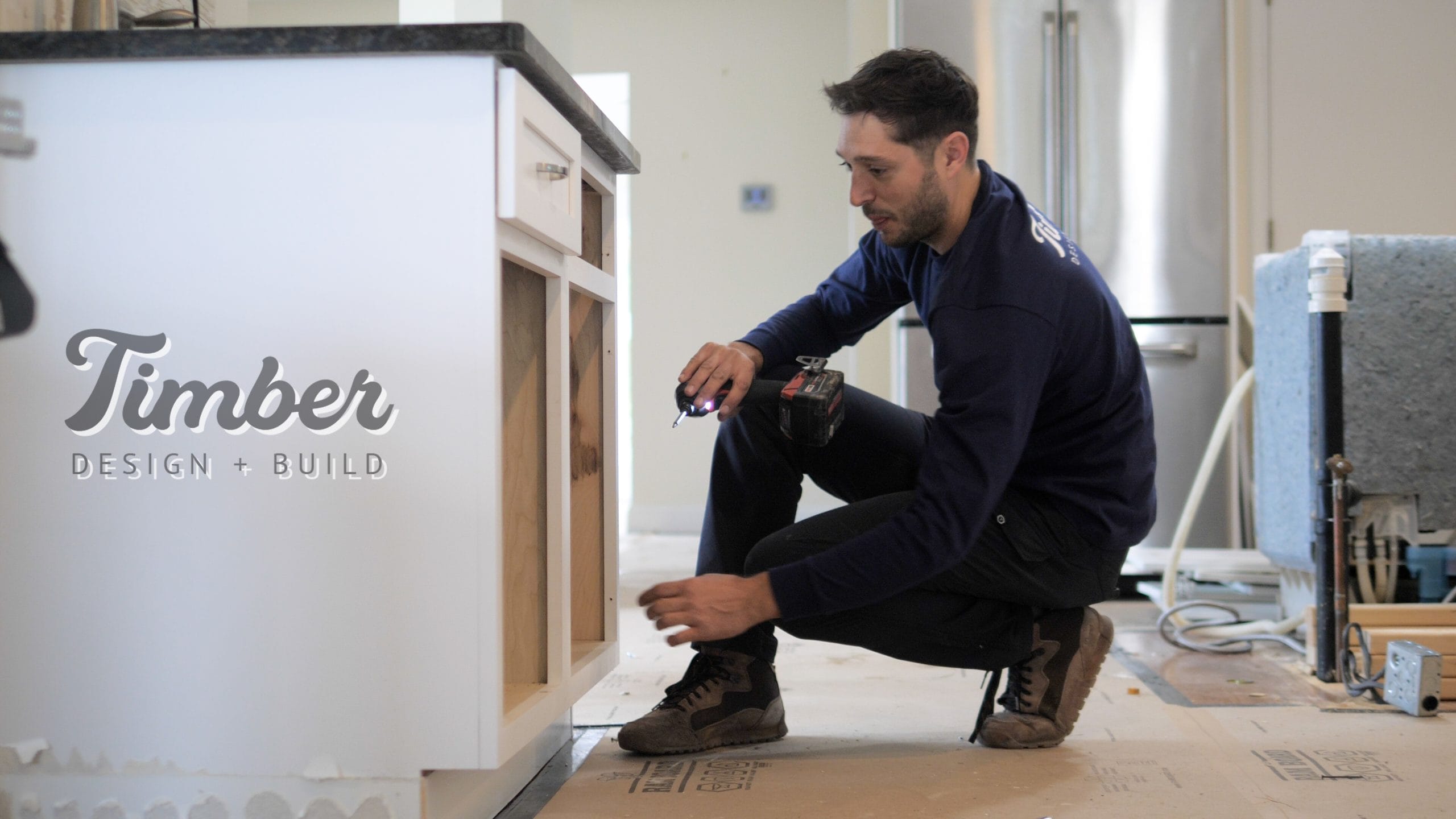 By Jeff Wiegmann, Licensed General Contractor, Co-Founder — Timber Design + Build