

Garage Conversion to Living Space: What It Takes in the Hudson Valley
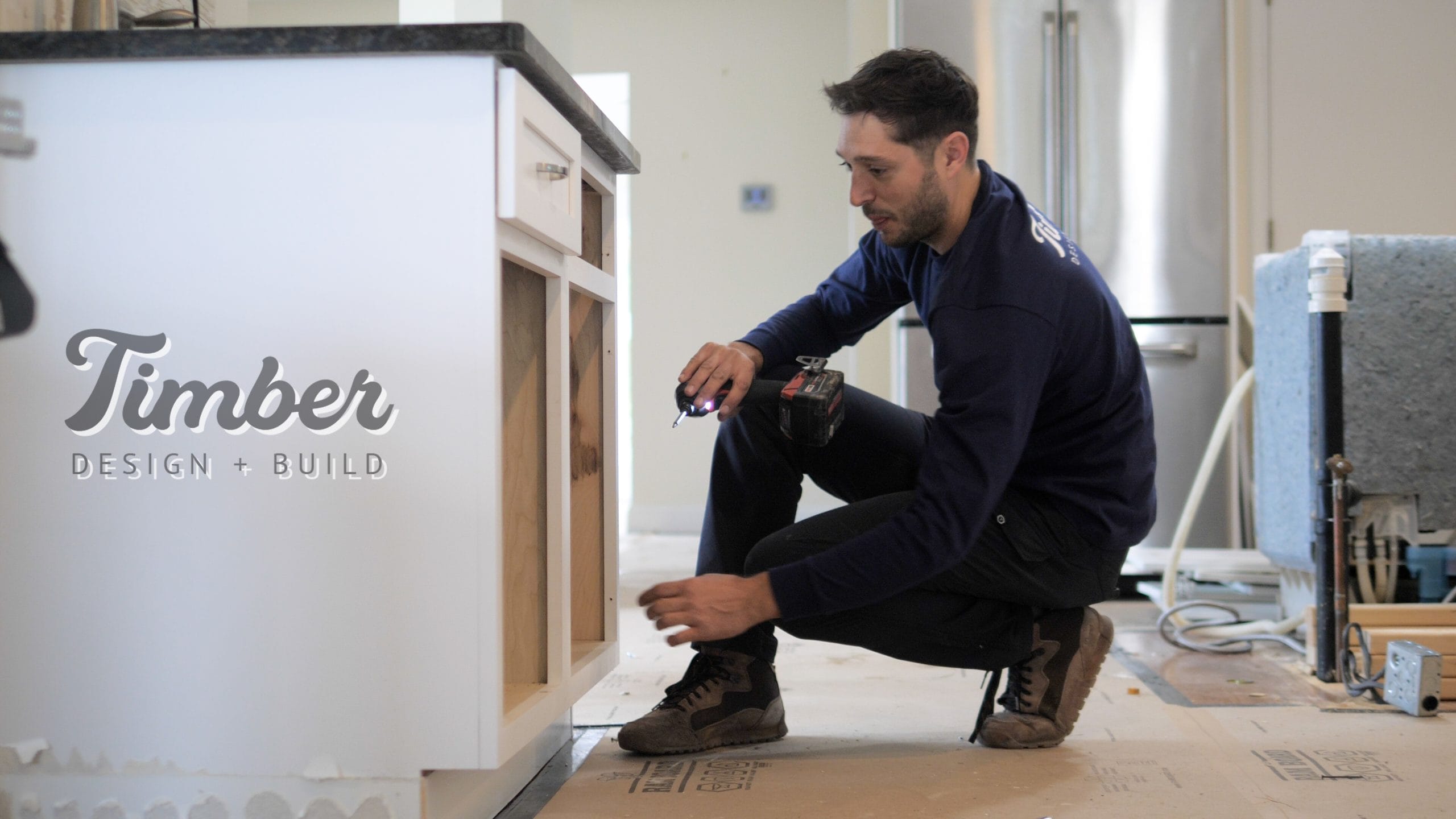
By Jeff Wiegmann, Co-Founder, Timber Design + Build
Home Additions & ADUs — Converting an attached or detached garage to conditioned living space is the most cost-effective way to add habitable square footage in the Hudson Valley. The structure already exists. The foundation is in place. The roof and exterior walls are built. The primary remaining work is: insulating and sealing the building envelope to residential standards, installing mechanical systems (heat, electrical, plumbing if a bathroom is included), and finishing the interior to a habitable standard. Cost: $120–$200 per square foot versus $280–$400 per square foot for a full addition.
By Jeff Wiegmann, Licensed General Contractor, Co-Founder — Timber Design + BuildGarage Conversion Requirements
- Ceiling height: minimum 7'6" to finished ceiling — many garages require floor leveling or raising to achieve this
- Insulation: garage walls and ceiling must be insulated to residential code minimums (R-20 wall, R-49 ceiling in climate zone 5)
- Vapor barrier: continuous air barrier throughout the building envelope
- Heating: dedicated heating system or extension of existing HVAC — garages are typically not on the main system
- Electrical: bring panel capacity and circuits to residential code for habitable space
- Egress: sleeping areas require egress windows meeting code (5.7 sq ft, 24" min height, 20" min width)
- Permit: required for change of use from garage to habitable space in all NY municipalities
The Building Envelope: The Most Important Step
A garage was not designed to be a conditioned space. The walls are typically uninsulated or minimally insulated. The concrete or slab floor is in direct contact with the ground, losing heat in winter and creating a cold surface underfoot. The ceiling/roof assembly is uninsulated. The garage door opening — typically 8–16 feet wide — is a massive thermal gap that must be framed and insulated.
Converting a garage to living space requires bringing the entire building envelope to residential energy code: wall insulation to R-20 minimum (R-21 with 2×6 framing), ceiling insulation to R-49, and floor insulation or a floating floor system above the slab that provides both thermal separation and a comfortable walking surface. In the Hudson Valley (Climate Zone 5), these requirements are strictly enforced.
Ready to discuss your project?
Jeff or Chris will walk your site and give you an honest assessment. Call (845) 500-3002.
Start Your ProjectThe garage door opening is framed with 2×6 studs, insulated, sheathed, sided on the exterior, and finished on the interior. The interior finish of this new wall section needs to match the finish of the rest of the converted space. The exterior siding needs to match or complement the existing garage and main house exterior.
Heating a Converted Garage
Most garages are not connected to the main house's HVAC system. Extending the existing ductwork to a converted garage is sometimes possible but requires an HVAC system analysis — the existing system must have sufficient capacity to serve the additional square footage. More commonly, a dedicated heating solution is installed for the converted space: a mini-split heat pump (most common for new conversions — efficient, provides both heating and cooling, no ductwork), a baseboard electric system (inexpensive to install, expensive to operate), or a connection to an existing hydronic (hot water) system if one exists.
A mini-split heat pump at $3,500–$6,000 installed for a typical garage conversion provides year-round climate control with high efficiency and is the recommended solution in most Hudson Valley garage conversions.
Permitting a Garage Conversion in New York
A change of use from garage to habitable space is a significant code event in New York State and requires a building permit in every municipality. The permit application must demonstrate that the converted space meets all residential code requirements for habitability: ceiling height, egress, insulation, ventilation, electrical, and heating.
If the converted garage is being used as an ADU (with its own kitchen, bathroom, and sleeping area), the ADU regulations of the specific municipality apply in addition to the change-of-use building permit requirements.
Fun fact: Garage slabs are typically installed without the under-slab insulation required in modern residential construction. A garage conversion that installs a floating floor system (rigid foam insulation, sleepers, and a finish floor layer) above the existing slab provides significant thermal improvement and a much more comfortable living floor than a finished slab alone.
Related Reading
- Home Addition Cost Hudson Valley
- What Is An Adu Hudson Valley
- Bump Out Vs Full Addition
- Adu Regulations Hudson Valley
- Back to Home Additions & ADUs
Frequently Asked Questions
How long does a garage conversion take?A straightforward garage conversion — insulation, HVAC, electrical upgrade, flooring, and finish work — takes 6–10 weeks. A conversion that includes a full bathroom, kitchen, and ADU finish takes 10–16 weeks. The longest phase is typically rough-in work (mechanical, electrical, plumbing) and permitting timeline.
Can we convert our garage and still park a car?A partial conversion — converting one bay of a two-car garage to living space and retaining the second bay for parking — is structurally possible and is done regularly. The new wall between the living space and the remaining garage bay requires a fire-rated assembly (typically 5/8" Type X drywall on the living space side) to meet code requirements for the separation between a garage and habitable space.
Does a garage conversion affect property taxes?Converting a garage to habitable space increases the assessed value of the home — the assessor will reclassify the converted square footage as habitable. The increase in property tax depends on the local assessment rate and the assessed value of the conversion. For most garage conversions, the annual property tax increase runs $500–$2,500 per year depending on the municipality and the value of the improvement.
Planning a project in the Hudson Valley?
Call (845) 500-3002 or schedule a consultation.
Start Your ProjectBy Jeff Wiegmann, Licensed General Contractor — Timber Design + Build