What Is an ADU? Accessory Dwelling Units in the Hudson Valley Explained
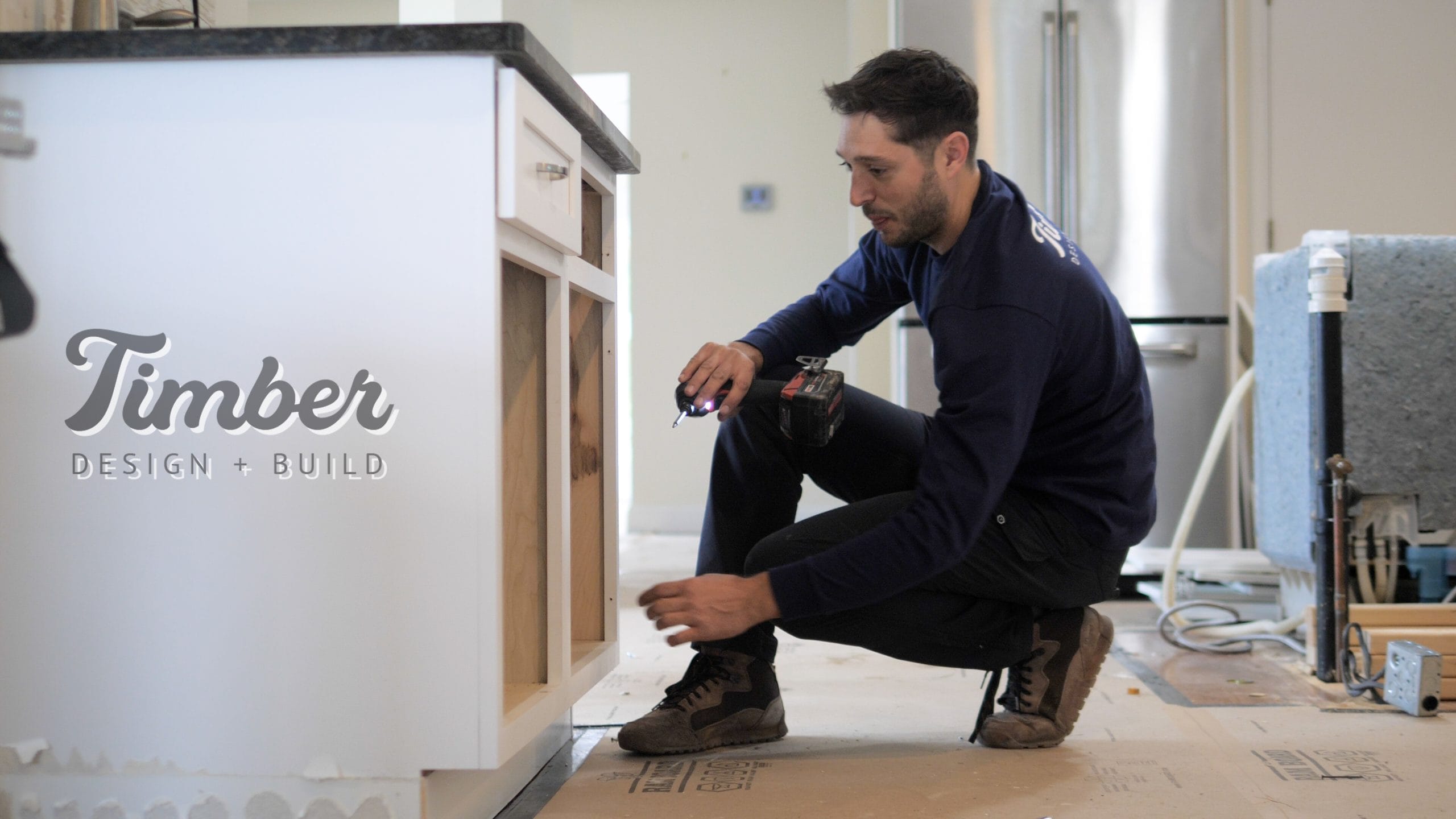
By Jeff Wiegmann, Co-Founder, Timber Design + Build
Home Additions & ADUs — An accessory dwelling unit (ADU) is a self-contained residential unit located on the same property as a primary residence. It has its own entrance, its own kitchen, its own bathroom, and its own sleeping area. It can be attached to the main house (a basement apartment, an in-law suite, a unit above a garage) or detached (a separate cottage or carriage house). In the Hudson Valley, ADUs have become one of the most actively pursued residential construction categories — driven by housing demand, rental income potential, and changing household compositions.
By Jeff Wiegmann, Licensed General Contractor, Co-Founder — Timber Design + BuildADU Types at a Glance
- Detached ADU: separate structure — cottage, carriage house, converted barn
- Attached ADU: addition to main house with separate entrance — in-law suite, basement apartment
- Garage conversion: existing attached or detached garage converted to habitable space
- Over-garage: new living space built above existing attached garage
- Interior conversion: basement or bonus room converted to self-contained unit
Why ADUs Are Growing in the Hudson Valley
Three forces are driving ADU construction in the Hudson Valley simultaneously. First: housing demand. The influx of residents from New York City since 2020 has created rental demand that the region's existing housing stock cannot meet. A well-located ADU in Ulster County is renting for $2,000–$4,500 per month. The rental income can meaningfully offset the construction cost over a 5–10 year period.
Second: changing household composition. Multi-generational living is increasingly common — adult children who cannot afford the Hudson Valley housing market living on a parent's property in a separate unit, or aging parents moving to an ADU on a child's property while maintaining independence. An ADU enables multi-generational proximity without the loss of privacy that comes from sharing a home.
Third: New York State policy. New York has moved to make ADU permitting more accessible in recent years, with state legislation reducing some local restrictions on ADU construction. The policy environment in 2025 is more favorable to ADU construction than it was five years ago.
ADU Design Considerations Specific to the Hudson Valley
Ready to discuss your project?
Jeff or Chris will walk your site and give you an honest assessment. Call (845) 500-3002.
Start Your ProjectThe Hudson Valley's housing stock includes a significant proportion of older homes on rural properties — farmhouses, colonials, and Victorians on larger lots. This creates ADU opportunities that do not exist in suburban contexts: converting a historic carriage house or barn to a habitable ADU, building a new cottage that complements the architecture of a 19th-century farmhouse, or constructing a guest cottage in a location on the property that takes advantage of views or site features.
Timber has completed ADU projects that include all of these scenarios. The design challenge in each case is creating a new or renovated structure that is architecturally consistent with the existing home and its historical context while meeting current building code for habitability, energy performance, and systems.
The ADU Process
Step 1 — Zoning and feasibility review: confirm that your property's zoning allows an ADU, what size and setback requirements apply, and whether any historic district or environmental constraints affect the design. Timber conducts this review as the first step of every ADU engagement.
Step 2 — Design: establish the ADU type (attached vs. detached, conversion vs. new construction), floor plan, and specification level. Amanda Barton leads the design process using Chief Architect, producing 3D renderings before permit drawings are prepared.
Step 3 — Permitting: full permit application including site plan, floor plan, structural drawings, and utility connection plan. ADU permits require more documentation than a standard renovation permit because they create a new dwelling unit.
Step 4 — Construction: site preparation, foundation (for new construction), framing, systems rough-in, and finish work. Timeline: 4–8 months for most ADU projects.
Step 5 — Certificate of Occupancy and rental readiness: CO from the local building department confirms the unit is legally habitable. Optional: Timber can coordinate with a property management company for rental setup if the ADU is intended for the rental market.
Fun fact: A 2024 analysis of Hudson Valley real estate sales found that properties with permitted ADUs sold at an average premium of 15–22% over comparable properties without ADUs in the same neighborhoods — representing a premium of $80,000–$200,000 in the region's current market.
Related Reading
- Home Addition Cost Hudson Valley
- Bump Out Vs Full Addition
- Adu Regulations Hudson Valley
- Garage Conversion Living Space Hudson Valley
- Back to Home Additions & ADUs
Frequently Asked Questions
Is a permitted ADU required to be rented? Can it be used as a guest suite?No. A permitted ADU can be used for any residential purpose — rental income, guest accommodation, home office, or multi-generational family use. The ADU permit establishes that the unit is a legally habitable dwelling; how it is used is at the owner's discretion (subject to any municipal short-term rental regulations that may apply to rental use).
What is the minimum size for an ADU in New York?New York State minimum habitable room requirements apply: a single room occupancy unit must have at least 80 square feet; a unit with a bedroom must have at least 70 square feet in the bedroom. Many municipalities impose additional minimum size requirements for ADUs — some require a minimum of 400 square feet for a full ADU. Confirm with your specific municipality.
Can we convert our basement to an ADU?If the basement has or can achieve: (1) 7-foot minimum ceiling height after any framing and insulation is installed, (2) egress windows meeting code in sleeping areas (minimum 5.7 sq ft opening, 24" height, 20" width), (3) independent exterior entrance, (4) space for a full kitchen and bathroom, and (5) adequate light and ventilation — then a basement ADU conversion is feasible. Many Hudson Valley homes have basements that meet most but not all of these criteria; a Timber assessment will identify which conditions need to be addressed.
Planning a project in the Hudson Valley?
Call (845) 500-3002 or schedule a consultation.
Start Your ProjectBy Jeff Wiegmann, Licensed General Contractor — Timber Design + Build