

Structural Considerations for Home Additions: Foundations, Connections, and Load Paths
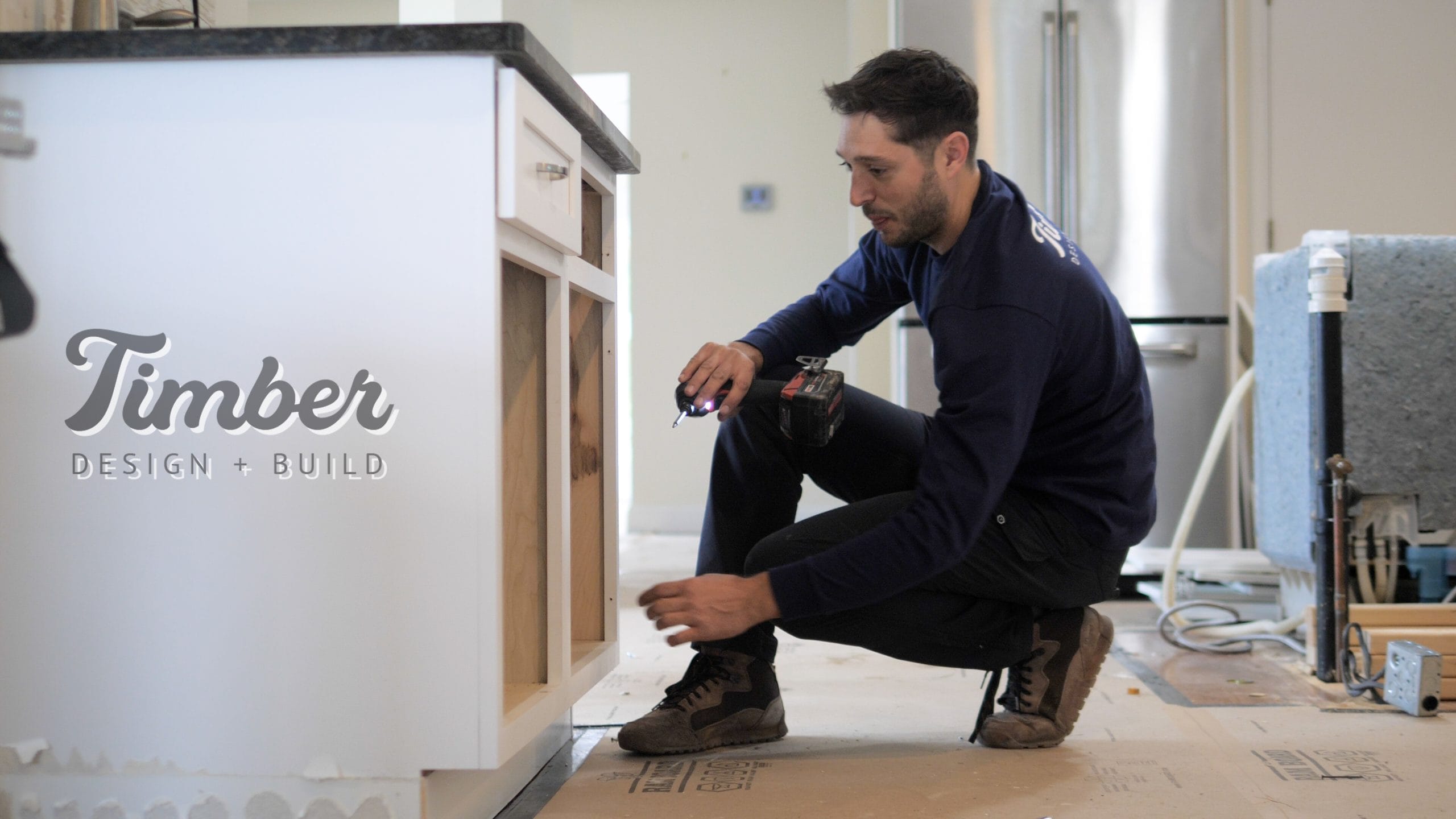
By Jeff Wiegmann, Co-Founder, Timber Design + Build
Home Additions & ADUs — Every home addition creates new structural demands on the existing building. The new structure must transfer its loads — gravity loads from roof, floors, and walls, and lateral loads from wind — through the existing structure to the foundation. How that load path works, and whether the existing structure can carry it, determines both the feasibility of the addition and the cost of any structural reinforcement required. Understanding the basics protects you from surprises.
By Jeff Wiegmann, Licensed General Contractor, Co-Founder — Timber Design + BuildStructural Assessment Checklist for Additions
- Existing foundation condition: cracks, settlement, moisture penetration at connection point
- Existing floor framing: joist size and span at the wall where the addition connects
- Existing wall structure: is the wall where the addition opens load-bearing?
- Roof framing: how does the new roof connect, and does the existing ridge or rafters need modification?
- Soil bearing capacity at new foundation location
- Frost depth: Hudson Valley = 42–48 inches — all new footings must extend below this
Foundation: The Non-Negotiable First Step
Every home addition with a new footprint requires a new foundation. In the Hudson Valley, frost depth is 42–48 inches — footings must extend below this depth to prevent frost heave. The foundation type (slab, crawl space, or full basement) is chosen based on the addition's use, the existing home's foundation type, and the site conditions at the addition location.
New foundations must be structurally tied to or designed to work alongside the existing foundation. The most common configuration: a new continuous perimeter footing at the same depth as the existing foundation, bearing on undisturbed soil, with a connection detail at the point where the new foundation meets the existing. The connection detail must accommodate the differential movement between new and existing foundations — new foundations settle slightly as the soil consolidates under the new load; existing foundations have already settled. An improperly detailed connection can crack the foundation or the structure above it.
The Connection: Where New Meets Existing
Ready to discuss your project?
Jeff or Chris will walk your site and give you an honest assessment. Call (845) 500-3002.
Start Your ProjectThe structural connection between the addition and the existing home requires opening the existing exterior wall — which is the point at which existing conditions become visible. Load-bearing wall assessments, structural member conditions, and the presence of any previous repairs or modifications are all revealed when the connection point is opened.
If the existing wall at the connection point is load-bearing, a beam must be installed to carry the load that the wall section being removed was carrying — sized by a structural engineer based on the span and the loads above. In most one-story addition connections, this beam is an LVL (laminated veneer lumber) or steel I-beam installed in the plane of the removed wall section.
Roof Integration: The Detail That Defines the Appearance
The roof connection between the addition and the existing home is the most visible structural element and the most prone to long-term maintenance issues if done incorrectly. Two common configurations: the addition roof ties into the existing roof at the ridge (requires modifying the existing ridge and rafter configuration — complex), or the addition roof connects to the existing exterior wall below the existing roofline (the simplest and most common configuration for single-story additions).
The junction between the new addition roof and the existing wall creates a flashing detail that must be watertight and durable. Step flashing along the sloped roof-to-wall junction and counter-flashing over it are the standard detail. This flashing must be installed correctly — it is the most common source of water intrusion in poorly executed additions, and it is behind the interior finish where it cannot be inspected without destructive investigation.
Fun fact: The most common structural discovery in Hudson Valley home addition projects is existing foundation damage at or near the connection point — often moisture-related. Poured concrete and concrete block foundations in homes built before 1970 frequently show efflorescence (mineral deposits from water migration), horizontal cracks in block foundations (from lateral soil pressure), or settlement cracks near corners. These conditions must be addressed before the addition connection is made.
Related Reading
- Home Addition Cost Hudson Valley
- What Is An Adu Hudson Valley
- Bump Out Vs Full Addition
- Adu Regulations Hudson Valley
- Back to Home Additions & ADUs
Frequently Asked Questions
Do we need a structural engineer for a home addition?For additions that involve load-bearing wall modifications, steel beam installation, or non-standard structural configurations, yes — a licensed structural engineer's stamp is required on the drawings in New York State. Timber engages structural engineers as part of every addition project where structural calculations are required. Simple additions with conventional framing may not require a structural engineer for the addition framing itself — but the connection-point assessment is always conducted by Timber's experienced construction team.
What is soil bearing capacity and why does it matter?Soil bearing capacity is the pressure that the soil at the foundation location can support without excessive settlement. Standard residential construction assumes 1,500–2,000 pounds per square foot bearing capacity for typical mineral soil. Soft soils (organic material, fill, saturated clay) have lower bearing capacity and may require larger spread footings or other foundation solutions. In the Hudson Valley, most rural properties have adequate bearing capacity, but sites with visible wet areas, former agricultural fill, or organic soil deposits should be evaluated before foundation design is finalized.
Can we add a second story above an existing addition?Possibly — it depends on whether the existing addition's foundation and framing were designed to carry a second-floor load. Most single-story additions are not designed with the reserve capacity to carry a second story. A structural engineer must evaluate the existing foundation, walls, and framing before a second-story addition is designed. If the existing structure cannot support it, the cost of foundation and structural reinforcement may approach the cost of demolishing and rebuilding the addition with the appropriate structural capacity from the start.
Planning a project in the Hudson Valley?
Call (845) 500-3002 or schedule a consultation.
Start Your ProjectBy Jeff Wiegmann, Licensed General Contractor — Timber Design + Build