

Bump-Out Addition vs. Full Addition: Which Makes More Sense?
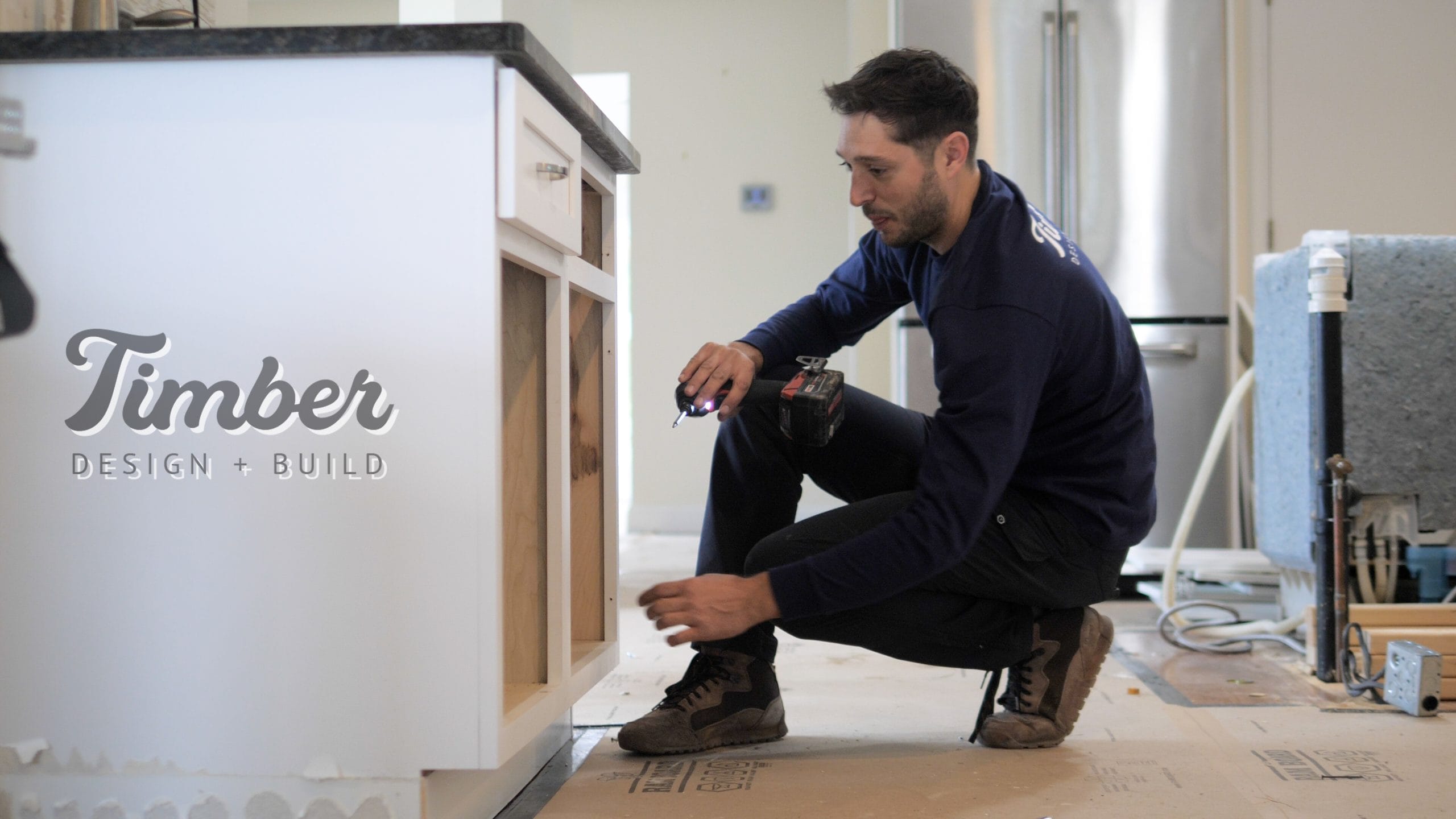
By Jeff Wiegmann, Co-Founder, Timber Design + Build
Home Additions & ADUs — A bump-out and a full addition both add square footage to your home. The difference is in scale, structural approach, and cost. A bump-out extends an existing room by 2–10 feet without adding a new foundation bay — cantilevering from the existing floor structure or bearing on a shallow foundation extension. A full addition creates a new room or floor with its own foundation, full wall height, and independent roof structure. Choosing between them requires understanding what each approach can and cannot accomplish.
By Jeff Wiegmann, Licensed General Contractor, Co-Founder — Timber Design + BuildBump-Out vs. Full Addition Quick Reference
- Bump-out: extends existing room 2–10 feet — no new foundation bay if cantilevered, lower cost
- Full addition: creates new room(s) with full foundation, walls, and roof — higher cost, more space
- Bump-out limit: cantilevered bump-outs typically limited to 6 feet beyond existing foundation without new support
- Full addition: any size, any number of rooms, can be multi-story
- Bump-out cost: $30,000–$80,000 for a simple 4×12 kitchen or bathroom extension
- Full addition cost: $150,000–$400,000 for a 400–600 sq ft new room or suite
When a Bump-Out Solves the Problem
The most common bump-out in Hudson Valley homes: extending the kitchen 4–8 feet to accommodate an island, a breakfast area, or simply more cabinet and counter space. Many older Hudson Valley kitchens are functional but tight — 150–180 square feet — and adding 50–80 square feet via a bump-out transforms the kitchen without the cost of a full addition.
The second most common: a bathroom bump-out that adds enough space for a walk-in shower or a double vanity in a bathroom that currently cannot accommodate them. Even a 3-foot extension in one direction can change what is possible in a bathroom renovation.
Ready to discuss your project?
Jeff or Chris will walk your site and give you an honest assessment. Call (845) 500-3002.
Start Your ProjectBump-outs work best when: the structural solution is straightforward (cantilevered from existing floor joists with no new foundation, or bearing on a simple continuous footing), the new space is an extension of an existing room rather than a new room, and the roof connection to the existing structure is clean.
The Structural Reality of Bump-Outs
Cantilevered bump-outs extend the existing floor structure beyond the foundation — essentially overhanging. The structural capacity of a cantilever depends on the depth of the existing floor joists, their span, and the cantilever distance. In practice, a cantilever of up to 24 inches is achievable with most residential framing without modification. A 4–6 foot cantilever requires deeper floor joists (LVL or engineered lumber) and careful structural design. Beyond 6 feet, most engineers recommend a new foundation support rather than extending the cantilever further.
When a Full Addition Is the Right Answer
A full addition is necessary when: you need more than 8–10 feet of new space (a bump-out cannot provide it structurally), you need a new room rather than an extension of an existing room, you need a second floor addition over new space (a bump-out cannot be built up), or the existing foundation is not positioned to support a meaningful cantilever.
The most common full additions in the Hudson Valley: a primary suite addition (bedroom, bathroom, walk-in closet — typically 400–600 sq ft on a new foundation wing), a family room addition (300–500 sq ft extending from the main living area), and a mudroom and entry addition that creates a functional transitional space between exterior and living areas.
Full additions require: a new foundation (depth to frost in the Hudson Valley is 42–48 inches), framing that connects structurally to the existing home, a roof that ties cleanly to the existing roof geometry, and exterior siding that matches or complements the existing home.
Fun fact: The most common error in bump-out construction is underestimating the roof connection complexity. A simple bump-out that extends one wall looks straightforward — until you have to connect the new bump-out roof to the existing wall or roof structure in a way that is watertight, structurally sound, and visually clean. Valleys (where two roof planes meet at an interior angle) are the highest-maintenance detail in any roof — a poorly designed bump-out creates a valley where none existed before.
Related Reading
- Home Addition Cost Hudson Valley
- What Is An Adu Hudson Valley
- Adu Regulations Hudson Valley
- Garage Conversion Living Space Hudson Valley
- Back to Home Additions & ADUs
Frequently Asked Questions
Can a bump-out be built over a basement?If the bump-out cantilevers beyond the existing foundation, there is no basement extension — the bump-out floor is suspended. If the bump-out bears on a new continuous footing at grade, a small crawl space below it is typical (no basement, but conditioned space above a vented crawl). Creating a full basement below a bump-out requires a full basement excavation, which approaches the cost of a full addition in excavation alone — typically not worthwhile for a small extension.
How do bump-out additions affect homeowner insurance?A bump-out that adds habitable square footage to the home increases the replacement value of the structure, which should trigger an update to the homeowner's insurance coverage to reflect the new square footage. Notify your insurance carrier when the addition is complete and confirm that the dwelling coverage limit is adequate.
What is the permitting requirement for a bump-out in New York?Any bump-out that adds conditioned habitable square footage to the home requires a building permit in New York State. The permit application requires a site plan showing the footprint change, a floor plan of the new space, and structural details if the bump-out involves any structural modification to the existing framing. Timber obtains all required permits for every addition project.
Planning a project in the Hudson Valley?
Call (845) 500-3002 or schedule a consultation.
Start Your ProjectBy Jeff Wiegmann, Licensed General Contractor — Timber Design + Build