

ADU Regulations in Ulster, Dutchess, Greene, and Sullivan Counties
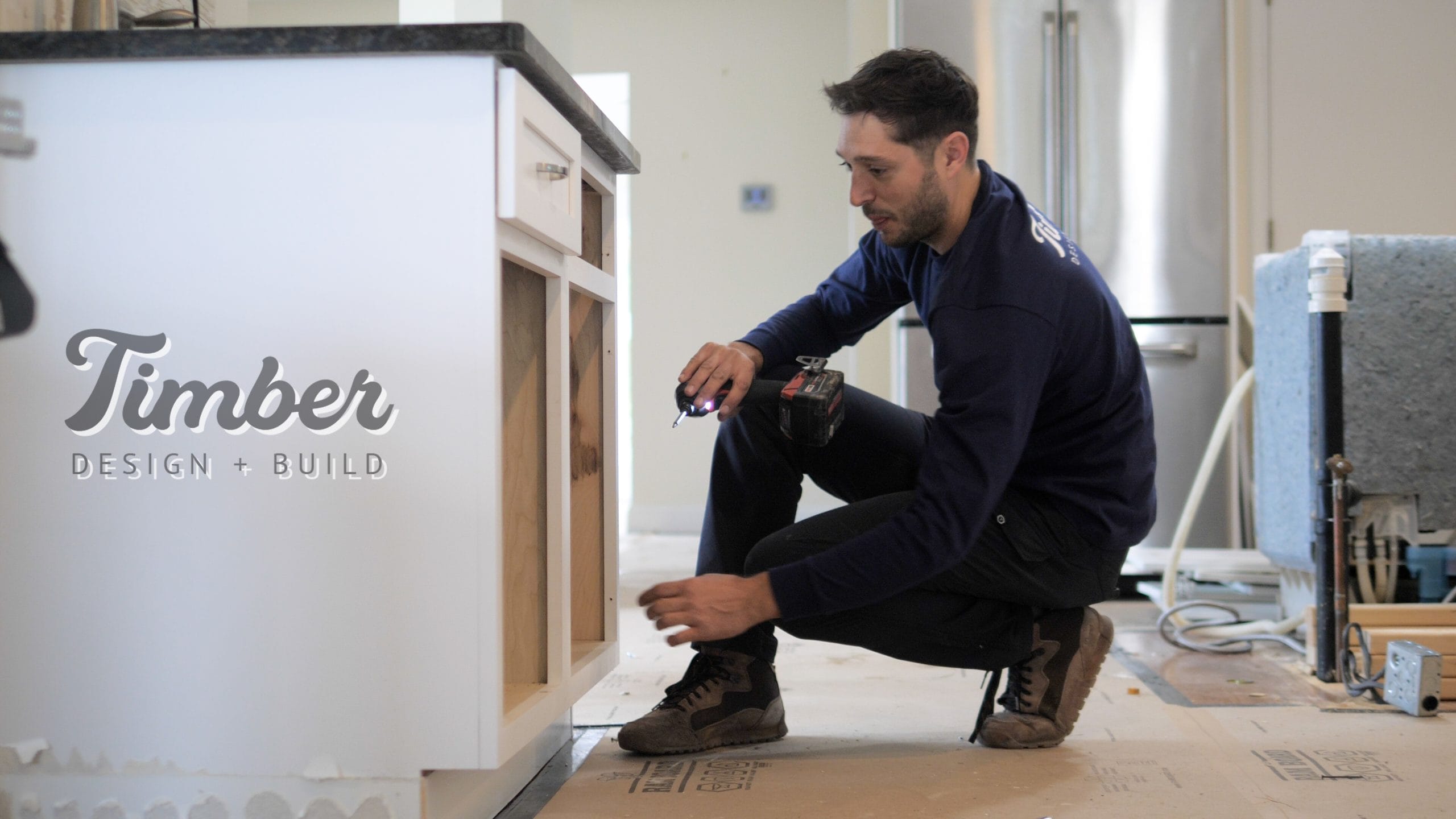
By Jeff Wiegmann, Co-Founder, Timber Design + Build
Home Additions & ADUs — ADU regulations in New York State are administered at the municipal level — each town and village has its own zoning code provisions for accessory dwelling units, and those provisions vary significantly even within the same county. Understanding the regulatory landscape in your specific municipality before planning an ADU is essential — what is permissible in New Paltz may require a variance in an adjacent town, and what is permitted by right in one zoning district may require a special use permit in another.
By Jeff Wiegmann, Licensed General Contractor, Co-Founder — Timber Design + BuildADU Regulatory Framework — Hudson Valley
- Zoning: administered by individual towns and villages — no county-wide ADU standard
- 2022 NY State law: required municipalities to permit ADUs in single-family zones as-of-right (with some exceptions)
- Check: your town's zoning code, ADU-specific bylaw (if adopted), and any overlay district restrictions
- Setback: most municipalities require ADUs to meet the same setbacks as primary structures
- Size limits: many municipalities cap ADU size at 50% of main home or 850–1,200 sq ft maximum
- Owner-occupancy: some municipalities require owner to occupy primary or accessory unit
New York State ADU Law: What Changed in 2022
New York State enacted legislation in 2022 (Part ZZ of the 2022–2023 State Budget) that significantly expanded ADU rights across the state. Key provisions: municipalities must permit attached and detached ADUs in single-family residential zones as-of-right (without requiring a special use permit or variance), municipalities cannot require off-street parking for ADUs located within a half mile of public transit, and municipalities cannot require owner-occupancy as a condition of ADU approval.
The practical impact: ADUs that previously required a lengthy variance process in many Hudson Valley municipalities can now be permitted as-of-right under the updated state law. Municipalities were required to update their local zoning codes to comply with state law — many have done so; some are still in the process.
Ready to discuss your project?
Jeff or Chris will walk your site and give you an honest assessment. Call (845) 500-3002.
Start Your ProjectImportant caveat: the state law applies to ADUs that meet the state's definition and parameters. ADUs that exceed the state's size parameters, or that are proposed in municipalities with adopted local ADU laws that include additional requirements, may still be subject to local conditions. Timber conducts a municipality-specific zoning review for every ADU project before the design begins.
Ulster County ADU Landscape
Ulster County municipalities that have been most active in ADU adoption include New Paltz (which adopted an ADU bylaw prior to the state law), Kingston (which has an urban context with distinct ADU provisions), and Woodstock (which has been a pilot community for accessory structure regulations). Rural Ulster County towns have varying provisions — from permissive to highly restrictive on lot size minimums, structure separation requirements, and utility connection standards.
Key practical consideration in rural Ulster: septic system capacity. Adding an ADU that will be occupied as a separate dwelling creates additional wastewater generation that may exceed the capacity of the existing septic system. Ulster County Department of Health requires septic system evaluation and potentially upgrade before an ADU certificate of occupancy will be issued. This is a significant cost variable — upgrading a septic system for ADU capacity addition can run $15,000–$50,000 in challenging soil conditions.
Dutchess County ADU Landscape
Dutchess County municipalities vary significantly in ADU approach. The City of Poughkeepsie and the Village of Rhinebeck have urban/village contexts with different provisions than rural Dutchess townships. Rhinebeck town, Millbrook, and Amenia — popular Hudson Valley destinations — each have their own zoning provisions that interact with the state ADU law differently.
Dutchess County's rural townships generally have larger minimum lot size requirements and stricter structure separation requirements for detached ADUs than Ulster County's more agricultural municipalities. Confirm specific requirements with the town building department before committing to a detached ADU design.
Greene and Sullivan County ADU Context
Greene County (Catskill, Windham, Hunter) and Sullivan County (Narrowsburg, Livingston Manor, Bethel) are the least densely developed counties in Timber's service area, with the most rural property characteristics. ADUs on these properties often involve the most interesting existing structures — historic barns, carriage houses, and outbuildings that can be converted to habitable ADUs. These conversions require structural assessment, building envelope upgrade to residential standards, and all required residential mechanical systems.
Catskills tourism has driven short-term rental demand that makes ADUs in Greene and Sullivan counties particularly economically compelling. A well-designed ADU on a Catskills property near Windham or Hunter can generate $3,000–$5,000 per month in peak season rental income. Confirm short-term rental permitting with the specific municipality before designing for this use.
Fun fact: The Town of New Paltz adopted one of the Hudson Valley's most progressive ADU bylaws prior to the state mandate, permitting ADUs on lots as small as 6,000 square feet with a streamlined approval process. This has made New Paltz one of the most active ADU construction markets in the region.
Related Reading
- Home Addition Cost Hudson Valley
- What Is An Adu Hudson Valley
- Bump Out Vs Full Addition
- Garage Conversion Living Space Hudson Valley
- Back to Home Additions & ADUs
Frequently Asked Questions
What approvals does an ADU require in New York State?Minimum: a building permit from the local building department. Depending on the municipality and project specifics: a site plan review, health department approval for septic capacity, a zoning compliance determination, and a utility connection permit from the relevant utility company. Municipalities that have not yet updated their zoning codes to comply with the 2022 state law may require additional process steps. Timber navigates all approval requirements for every ADU project.
Can I build an ADU on agricultural land?Agricultural land in New York State is typically zoned Agricultural or Rural/Agricultural, which may have different ADU provisions than residential zoning. Some agricultural zoning districts permit ADUs as farm worker housing or as incidental to an agricultural operation; others treat residential ADUs as a separate use that requires a special permit. Confirm with your town's zoning code and building department.
Does the ADU need to be connected to the same septic system as the main house?In most rural Hudson Valley municipalities, yes — the ADU uses the same on-site wastewater treatment system as the main house, which must have sufficient capacity for the combined load. The alternative is a separate septic system for the ADU, which is permitted in some municipalities where site conditions allow it and which avoids the main system capacity issue. Timber coordinates with the relevant county health department on septic capacity for every ADU project.
Planning a project in the Hudson Valley?
Call (845) 500-3002 or schedule a consultation.
Start Your ProjectBy Jeff Wiegmann, Licensed General Contractor — Timber Design + Build