Financing a Home Addition or ADU in New York State
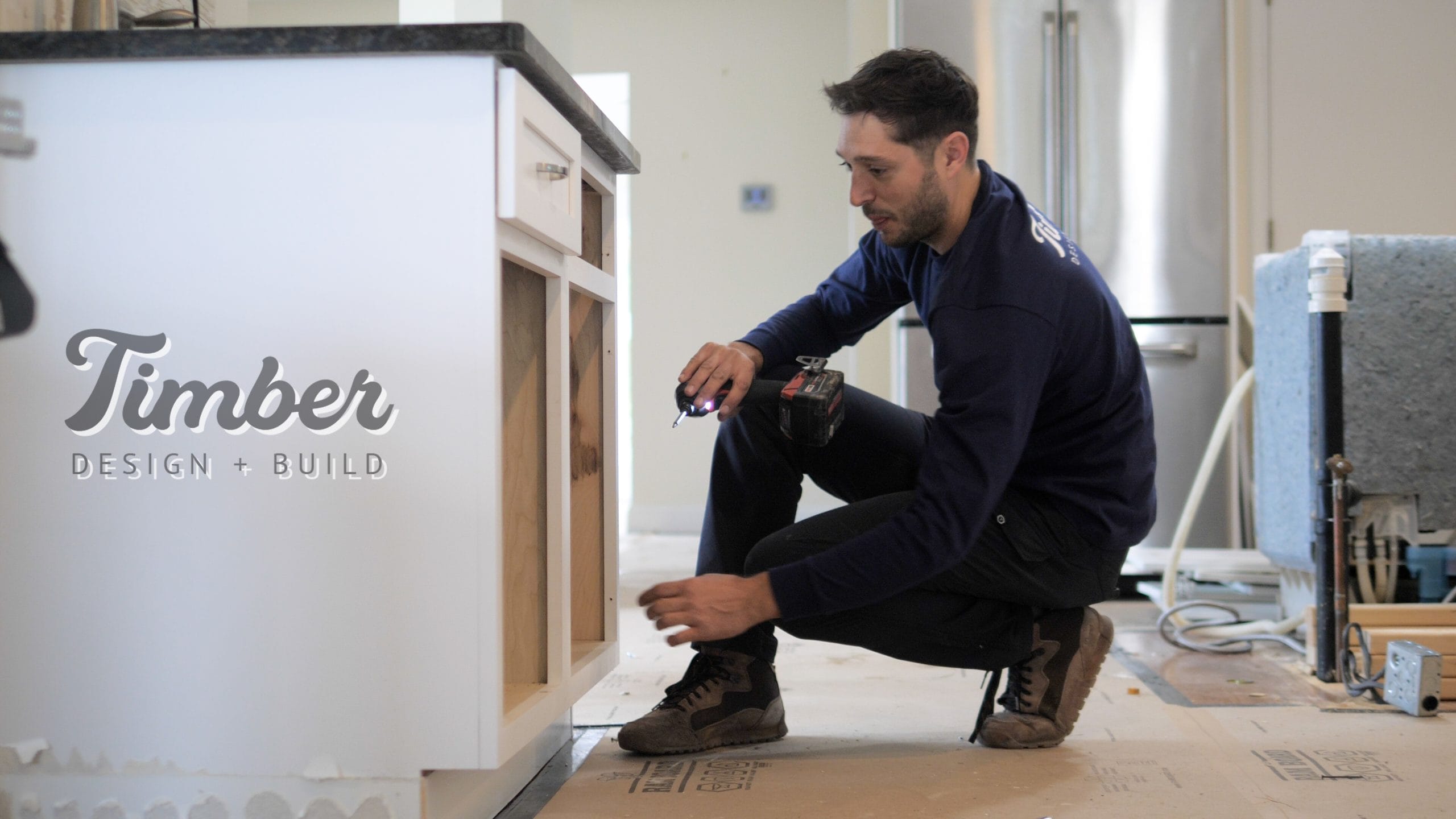
By Jeff Wiegmann, Co-Founder, Timber Design + Build
Home Additions & ADUs — Home additions and ADUs are large investments — $150,000 to $400,000 for a typical addition, $120,000 to $350,000 for a detached ADU. Most homeowners do not pay for these projects from savings alone; they use some form of financing. The right financing vehicle depends on your equity position, your credit profile, the project timeline, and whether the ADU will generate rental income that can service the debt. Here are the options available to Hudson Valley homeowners in 2025.
By Jeff Wiegmann, Licensed General Contractor, Co-Founder — Timber Design + BuildFinancing Options for Additions and ADUs
- Home Equity Loan: fixed rate, lump sum, fixed repayment — best when total cost is well-defined
- HELOC (Home Equity Line of Credit): variable rate, draw as needed — best for phased or uncertain-scope projects
- Cash-Out Refinance: replaces mortgage with larger mortgage — best when current rate is near existing rate
- Construction-to-Permanent Loan: funds construction then converts to mortgage — best for large ADU projects
- NY State ADU programs: targeted financing through NYSERDA, regional CDFIs — worth researching
- Personal loan: unsecured, higher rate — last resort for homeowners without sufficient equity
Home Equity Loan vs. HELOC: The Most Common Choices
A home equity loan (HEL) provides a fixed lump sum at a fixed interest rate, repaid over a fixed term. If you know the total cost of the project with reasonable confidence and want payment certainty, a home equity loan is the most straightforward vehicle. The challenge: addition and ADU projects frequently encounter scope changes — discovered conditions, design changes, owner-initiated additions to scope. A lump-sum loan that was sized to the original contract may be insufficient if scope expands.
A HELOC provides a credit line up to an approved maximum. You draw funds as needed during the construction period and repay over a revolving term. The interest rate is typically variable (Prime + margin). For projects with uncertain final scope, phased construction, or homeowners who want to manage cash flow across a longer construction period, the HELOC is more flexible. The variable rate is the trade-off.
Ready to discuss your project?
Jeff or Chris will walk your site and give you an honest assessment. Call (845) 500-3002.
Start Your ProjectCurrent (2025) home equity rates in the Hudson Valley: home equity loans running 7.5–9.5% fixed depending on LTV and credit profile. HELOCs running Prime + 0.25–1.0% (variable). Rates change — confirm current rates with your bank or credit union.
Cash-Out Refinance
A cash-out refinance replaces your existing mortgage with a new, larger mortgage. The difference between the new loan amount and the existing mortgage balance is disbursed as cash. The advantage: you combine your mortgage and construction financing into a single payment. The significant disadvantage in 2025: most homeowners who purchased before 2022 have mortgages at rates below current market rates. Replacing a 3–4% mortgage with a 7–8% mortgage to fund an addition is an extremely expensive source of capital — the monthly payment increase from the rate change alone frequently exceeds the payment on a dedicated home equity loan.
Cash-out refinance is worth evaluating only when: you have very limited equity (refinancing allows higher LTV than a second lien), or your existing mortgage rate is close to current rates.
New York State ADU Financing Programs
New York State has several programs that provide financing incentives for ADU construction, though availability and terms change. The following are worth researching for current availability: NYSERDA (New York State Energy Research and Development Authority) offers programs for energy-efficient construction that may apply to ADUs meeting specific performance standards. The Access to Home program (administered by HTFC) provides funding for accessibility modifications that may apply to ADU projects designed for aging-in-place use. Regional Community Development Financial Institutions (CDFIs) in the Hudson Valley occasionally offer below-market rate loans for affordable housing development, including ADUs that will be rented at below-market rates.
These programs change year to year — Timber recommends confirming current availability directly with the relevant agencies rather than relying on published program descriptions that may be outdated.
Fun fact: Hudson Valley property values increased significantly between 2020 and 2023, creating substantial equity gains for homeowners who purchased before 2021. The average homeowner who purchased a Hudson Valley property in 2019 and has been paying down principal has equity that supports $200,000–$400,000 in home equity financing — enough for a meaningful addition or ADU project in most cases.
Related Reading
- Home Addition Cost Hudson Valley
- What Is An Adu Hudson Valley
- Bump Out Vs Full Addition
- Adu Regulations Hudson Valley
- Back to Home Additions & ADUs
Frequently Asked Questions
Can rental income from an ADU be counted toward mortgage qualification?Lenders vary on this. Some lenders will count projected ADU rental income (typically 75% of market rent) toward debt-to-income qualification for a construction or home equity loan used to build the ADU. Others require a rental history before counting income. If rental income qualification is important to your financing strategy, discuss it with the lender before applying.
How much equity do I need to finance a home addition?Most home equity lenders will lend up to 80–85% of the home's current appraised value minus the existing mortgage balance. Example: home appraised at $700,000, existing mortgage of $350,000 — available equity at 80% LTV = $560,000 - $350,000 = $210,000 in available home equity financing. Lenders typically require a minimum credit score of 680–700 for home equity products; better scores receive better rates.
What happens if the addition costs more than the loan amount?Construction loans and HELOCs with adequate credit limits can be increased with lender approval if the scope genuinely changes. Home equity loans are more rigid — the loan amount is fixed at origination. Timber strongly recommends building contingency into your financing (10–15% above the construction contract) rather than financing the contract amount only. Projects that encounter discoveries or scope changes without financial contingency create significant stress for everyone involved. Implementation Note — Cluster 6 1. Service page URL: /home-additions-adus/ — confirm with dev. 2. Publish priority: Article 1 (cost — highest search volume) → Article 2 (what is an ADU — awareness traffic) → Article 4 (ADU regulations — high intent, local specificity) → Article 5 (garage conversion). 3. Pinterest: Article 6 (primary suite addition) — before/after design renders are strong Pinterest content. 4. LinkedIn: Article 4 (ADU regulations) — local policy knowledge positions Timber as the informed expert. 5. Article 4 (regulations) requires annual review — NY State ADU law and local municipal codes change. 6. Named expert: Jeff Wiegmann on all articles. Amanda Barton as contributor on design-focused articles (Articles 3, 6). 7. ADU content is a strong Google Business Profile category — add ADU as a service in GBP and link Article 2 from GBP Products.
Planning a project in the Hudson Valley?
Call (845) 500-3002 or schedule a consultation.
Start Your ProjectBy Jeff Wiegmann, Licensed General Contractor — Timber Design + Build