Design-Build Cost Structure: What You Pay for and When
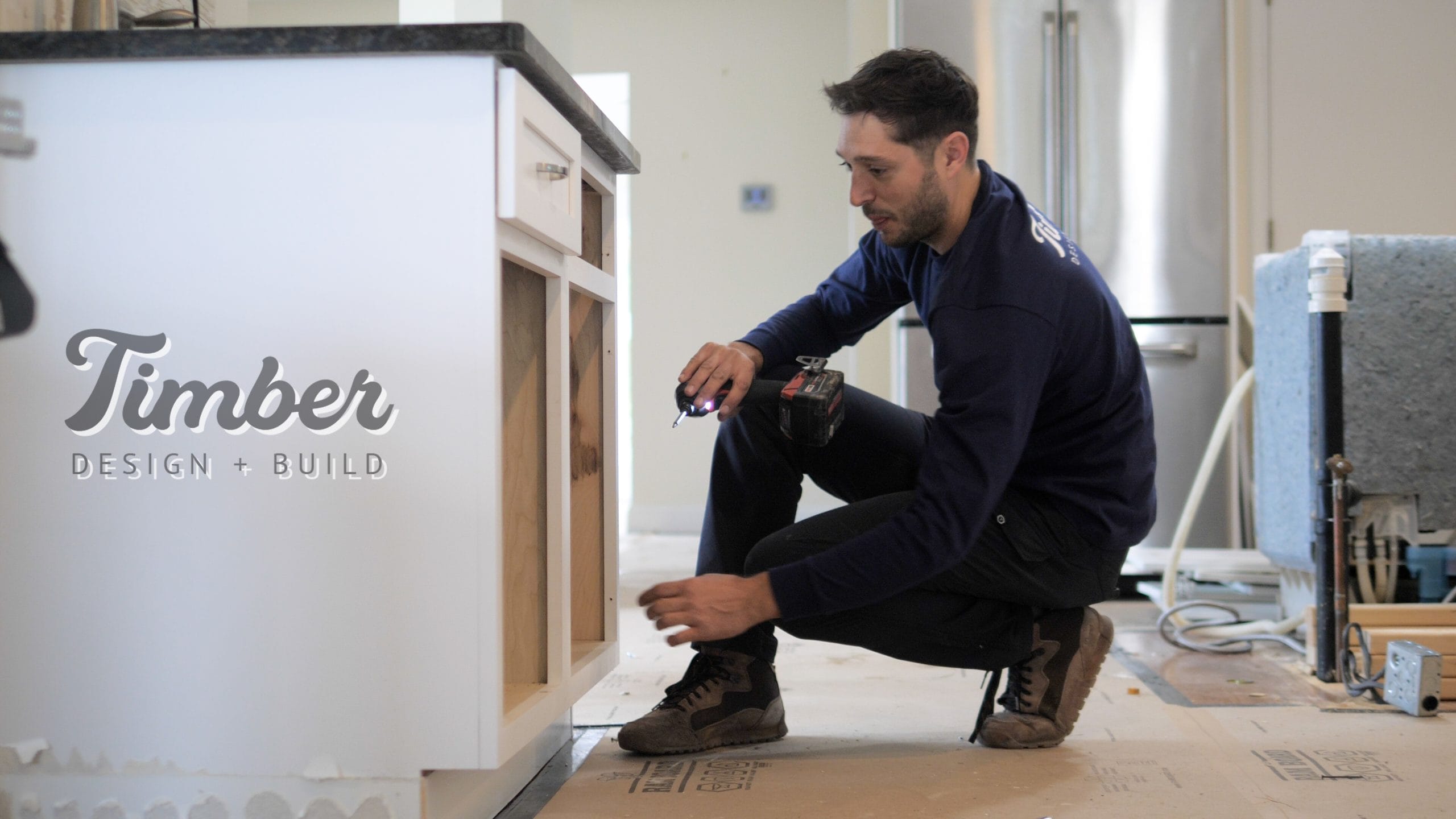
By Jeff Wiegmann, Co-Founder, Timber Design + Build
The design-build cost structure is different from the traditional model — not necessarily more or less expensive, but organized differently. Understanding how fees work, when payments occur, and what each phase costs helps you evaluate proposals and compare them to the traditional architect-plus-contractor model.
By Jeff Wiegmann, Licensed General Contractor, Co-Founder — Timber Design + BuildPhase 1: Preconstruction Agreement
The preconstruction agreement is a separate, paid engagement that covers the design phase. At Timber, preconstruction fees typically range from $5,000 to $25,000 depending on project complexity. A kitchen renovation preconstruction fee is at the lower end; a custom home is at the upper end. This fee covers: site assessment, design development (floor plans, elevations, 3D renderings), material specification, and cost estimation. The preconstruction agreement is a standalone contract — if the budget or design doesn't work out, the homeowner is not obligated to proceed with construction.
Phase 2: Construction Contract
The construction contract is based on the approved design and budget from preconstruction. Design-build construction contracts typically use one of three structures:
Fixed-price (lump sum). The contractor commits to a total price for the defined scope. The homeowner knows exactly what they'll pay. Risk of cost overruns is on the contractor (for the defined scope). This is the most common structure for kitchen and bathroom renovations.
Cost-plus with a guaranteed maximum price (GMP). The homeowner pays actual costs plus a defined percentage or fixed fee, with a ceiling the total cannot exceed. Common for whole-house renovations where existing conditions create uncertainty.
Cost-plus (open book). The homeowner pays actual costs plus a defined percentage or fixed fee, with no ceiling. This provides maximum transparency but shifts all cost risk to the homeowner. Less common for residential work; used primarily for complex renovations where conditions are highly uncertain.
Timber's preconstruction process establishes costs before you sign a construction contract
Call (845) 500-3002 to discuss your project budget.
Start Your ProjectPayment Schedule
Construction payment schedules in design-build are milestone-based. Typical milestones: deposit at contract signing (10%), rough framing complete (20%), rough mechanical complete (20%), drywall and finish carpentry (20%), substantial completion (20%), final payment at punch list completion (10%). The exact schedule varies by project size and type, but the principle is consistent: payments are tied to completed work, not calendar dates.
Comparing Total Cost: Design-Build vs. Traditional
| Cost Element | Traditional | Design-Build |
|---|---|---|
| Architecture / design fees | 8–15% of construction cost | 5–12% (included in preconstruction) |
| Construction cost | Bid price | Negotiated / cost-plus |
| Change orders | 10–15% average | 5–8% average |
| Total project cost | Comparable | Comparable (fewer overruns) |
Change Orders and How They Affect Cost
Change orders are modifications to the construction contract after signing. In design-build, change orders typically arise from two sources: homeowner-initiated changes (wanting to upgrade materials, add scope, or modify the design) and discovery changes (conditions found during demolition that weren't visible during the pre-construction assessment). Design-build projects average 5–8% in change orders versus 10–15% for traditionally delivered projects, because the design was developed with builder input from the start. A proper budget includes contingency for both types.
Transparent pricing from preconstruction through completion
Homeowners across Ulster, Orange, and Dutchess Counties trust Timber's cost clarity.
Schedule a ConsultationFrequently Asked Questions
How much does the design phase cost in design-build?Preconstruction (design) fees at Timber range from $5,000 to $25,000 depending on project complexity. This covers site assessment, full design development with 3D renderings, material specification, and cost estimation. This fee is a standalone investment — if the project doesn't proceed, you own the design documents.
Is design-build more expensive than hiring separately?The total cost is comparable. Design-build produces savings through reduced change orders and tighter integration between design and construction. The traditional model may appear cheaper at the bid stage but frequently catches up through change orders during construction.
What's included in the construction contract price?Everything defined in the approved scope: all labor, all materials, all subcontractor costs, project management, and the contractor's fee. Excluded: permit fees (passed through at cost), items specifically excluded in the contract documents, and homeowner-supplied materials if any. The construction contract at Timber is detailed enough that there should be no ambiguity about what's included.
By Jeff Wiegmann, Licensed General Contractor, Co-Founder — Timber Design + Build