

How to Set a Renovation Budget You Can Actually Stick To
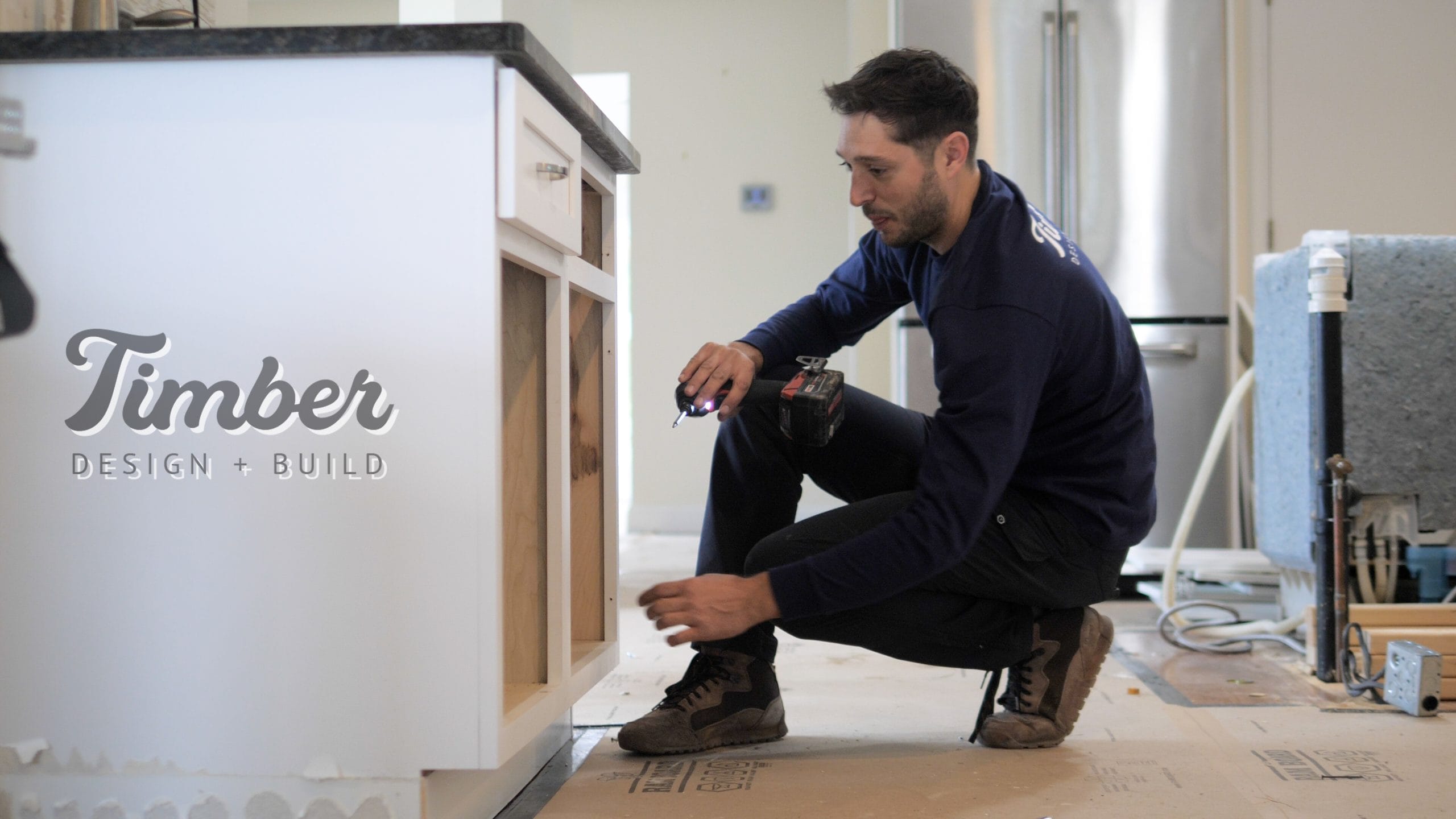
By Jeff Wiegmann, Co-Founder, Timber Design + Build
Setting a renovation budget is not about picking a number — it's about connecting scope decisions to real costs. Most budget failures happen because the homeowner and the contractor were operating from different definitions of the project. A realistic renovation budget starts with scope definition, works through specification levels, adds contingency appropriate to the home's age and condition, and accounts for soft costs that homeowners frequently overlook.
By Jeff Wiegmann, Licensed General Contractor, Co-Founder — Timber Design + BuildStep 1: Define Scope Before Setting a Dollar Amount
The scope of work — what rooms are being renovated, what systems are being replaced, what is being added versus updated — determines the budget. Not the other way around. Starting with "I have $300,000" and trying to fit an undefined project inside that number produces unrealistic expectations. Instead, start by listing every element of the renovation: which rooms, which systems, which finishes. Then price each element to determine the total. If the total exceeds the available budget, the conversation becomes about reducing scope — not about forcing the project into an arbitrary number.
Step 2: Understand Cost by Category
A whole-house renovation breaks down into categories. Understanding where the money goes helps you make informed tradeoff decisions:
| Category | % of Budget |
|---|---|
| Structural / framing | 10–15% |
| Mechanical (electrical, plumbing, HVAC) | 20–30% |
| Kitchen | 15–25% |
| Bathrooms | 10–20% |
| Flooring, paint, trim | 10–15% |
| Windows and exterior | 5–15% |
| Design and permits | 8–12% |
Step 3: Set Specification Level Early
Specification level — the quality grade of materials and finishes — accounts for 30–50% of cost variation between comparable projects. Define your specification level before pricing, not during construction. A mid-range kitchen with quartz countertops and semi-custom cabinetry costs significantly less than the same kitchen with natural stone and fully custom millwork. Both are valid choices — but the budget for each is different. "Specification drift" — gradually upgrading selections during the design process — is the most common source of budget overruns.
Timber's preconstruction process establishes realistic budgets before design begins
Call (845) 500-3002 to schedule a budget consultation.
Schedule ConsultationStep 4: Add Contingency — and Understand Why
Contingency is not padding — it's responsible planning for the realities of renovation. Existing homes contain unknowns: what's behind the walls, under the floors, and in the ceiling cavities. A postwar home in good condition: 10% contingency. A pre-war home or any home with unknown maintenance history: 15–20%. A historic home: 20% minimum. Contingency that isn't spent is returned to the homeowner — it's not additional profit for the contractor.
Step 5: Account for Soft Costs
Soft costs are real costs that aren't part of the construction contract but still come out of your renovation budget: Design fees ($15,000–$40,000 for whole-house renovation design). Permit fees ($2,000–$15,000 depending on municipality and project value in Ulster, Orange, and Dutchess County). Engineering assessments ($2,000–$8,000). Survey ($1,500–$4,000). Temporary housing during construction (if needed for a gut renovation). Storage for furniture and belongings. These costs add 10–15% on top of the construction contract.
Step 6: Use Preconstruction to Validate the Budget
The purpose of preconstruction in a design-build model is to validate that the budget and the scope are aligned before the construction contract is signed. Timber's preconstruction phase produces a detailed scope document and cost estimate that the homeowner reviews and approves before design proceeds. If the scope exceeds the budget, adjustments happen during preconstruction — not during construction, when changes are expensive.
Renovation budgeting starts with a conversation
Jeff and Chris walk through scope, specification, and realistic costs during a 20-minute Zoom call.
Start Your ProjectFrequently Asked Questions
How much should I budget for a whole-house renovation in the Hudson Valley?$150,000–$750,000+ depending on scope, home condition, and specification level. A selective renovation (kitchen, baths, flooring, paint) of a 2,000 square foot home: $150,000–$400,000. A full gut renovation of the same home: $200,000–$500,000. A historic home gut renovation with structural repair: $300,000–$750,000+. See our detailed cost guide for breakdowns by category.
What is the biggest budget mistake homeowners make?Underestimating soft costs and omitting contingency. The construction contract is only 75–85% of the total project cost. Design fees, permits, engineering, and contingency make up the remainder. Homeowners who budget only for the construction contract find themselves short.
Should I finance my renovation or pay cash?This depends on your financial situation and the return on investment. Common financing options: home equity loan, HELOC, cash-out refinance, or construction loan. Each has different interest structures and requirements. Consult with your lender before finalizing the renovation scope.
By Jeff Wiegmann, Licensed General Contractor, Co-Founder — Timber Design + Build