

Design-Build vs. General Contractor: What's the Actual Difference?
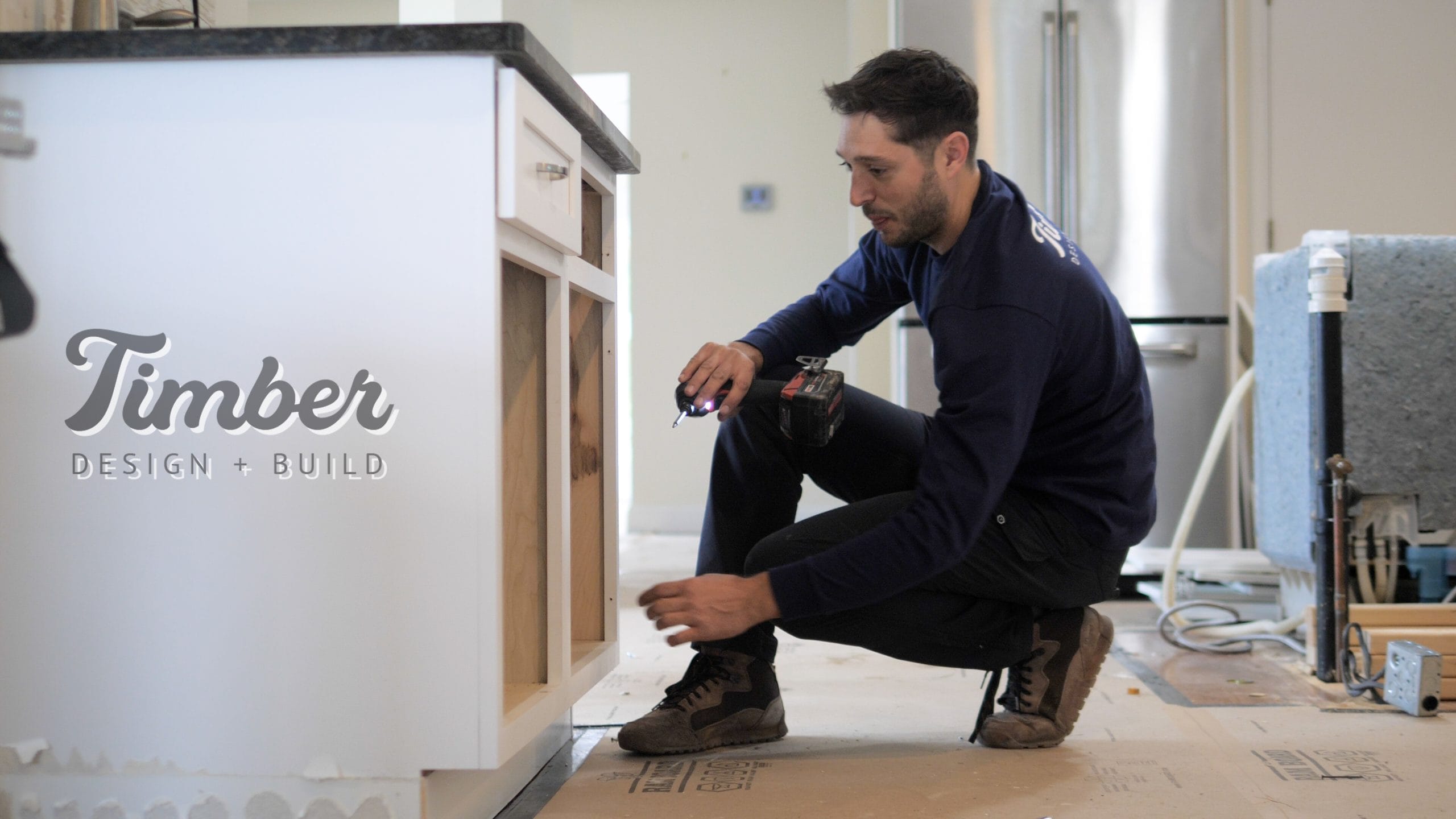
By Jeff Wiegmann, Co-Founder, Timber Design + Build
The difference between a design-build firm and a general contractor is not just about services — it's about accountability structure. A general contractor builds what someone else designed. A design-build firm designs and builds under one contract. In the Hudson Valley, where renovation projects frequently involve pre-war housing stock and unpredictable existing conditions, this structural difference affects cost, timeline, communication, and the likelihood that the finished project matches what you expected.
By Jeff Wiegmann, Licensed General Contractor, Co-Founder — Timber Design + BuildGeneral Contractor: What the Model Actually Looks Like
In the traditional model, you hire an architect to produce construction drawings. The architect designs the project based on your requirements, produces a set of plans, and those plans go out to bid. Multiple general contractors review the drawings, estimate costs, and submit proposals. You select a contractor — usually but not always the lowest bidder — and sign a construction contract. The GC builds what the architect drew. If the drawings are incomplete or contain errors, the GC submits a change order. If the design doesn't account for site conditions, the GC submits a change order. The architect and contractor are separate entities with separate interests.
Design-Build: What the Model Actually Looks Like
In design-build, you hire one firm. That firm assigns a designer and a project manager to your project. They work together from day one. The designer draws; the builder prices. The designer specifies materials; the builder confirms availability and lead times. The designer proposes a layout; the builder confirms structural feasibility. When the design is complete, it has already been priced, reviewed for buildability, and scheduled. There is no bidding phase — the cost is developed alongside the design. At Timber, the process is structured into defined phases with client decision points at each transition.
Side-by-Side Comparison
| Factor | General Contractor | Design-Build Firm |
|---|---|---|
| Design capability | None — relies on separate architect | In-house design team |
| Contracts | Two — architect + GC | One contract |
| Accountability | Split between architect and GC | Single firm |
| Cost certainty | Known only after bidding | Developed during design |
| Timeline | Sequential (design → bid → build) | Overlapping phases possible |
| Change orders | Common (design/build gap) | Minimized (integrated team) |
| Competitive pricing | Yes — multiple bids | No — single-source |
Timber operates as a true design-build firm — design, construction, and millwork under one roof
Call (845) 500-3002 to discuss your project.
Start Your ProjectWhen a GC Is the Right Choice
A traditional GC is the right choice when you already have completed construction drawings from an architect, when you want to competitively bid the project, or when the project scope is straightforward enough that design integration provides minimal benefit. If you've already invested $30,000–$60,000 in architectural plans, hiring a GC to execute those plans is the logical path.
When Design-Build Is the Right Choice
Design-build is the right choice when you're starting from scratch — you have a vision but no drawings — and want one firm to take you from concept to completion. It's particularly strong for kitchen renovations, whole-house renovations, custom homes, and renovation projects where existing conditions create unknowns that benefit from builder involvement during design. Read our guide on what design-build is for a complete overview.
Frequently Asked Questions
Can a general contractor also do design?Some GCs offer basic design services — floor plan sketches or material selection assistance. This is different from having a trained designer or architect on staff who produces professional construction drawings, 3D renderings, and detailed specifications. Ask to see the design portfolio and the qualifications of the design staff before assuming a GC's "design" capability matches a design-build firm's.
Will I pay more with a design-build firm than a GC?The total project cost — design plus construction — is typically comparable between the two models. Design-build combines the design fee and construction cost into one engagement. The traditional model splits them into separate contracts. The difference is in the change order rate: design-build projects average 5–8% in change orders versus 10–15% for traditionally delivered projects, according to industry research.
How do I evaluate whether a firm is a real design-build operation?Look for dedicated design staff (not the GC sketching plans), professional design software, a portfolio of completed projects where the firm managed both design and construction, and a structured process with defined phases. If the firm can't show you 3D renderings of past projects or name the designer on your project, it's a GC with a marketing label — not a design-build firm.
By Jeff Wiegmann, Licensed General Contractor, Co-Founder — Timber Design + Build