

Renovating a Historic Hudson Valley Home: What to Expect
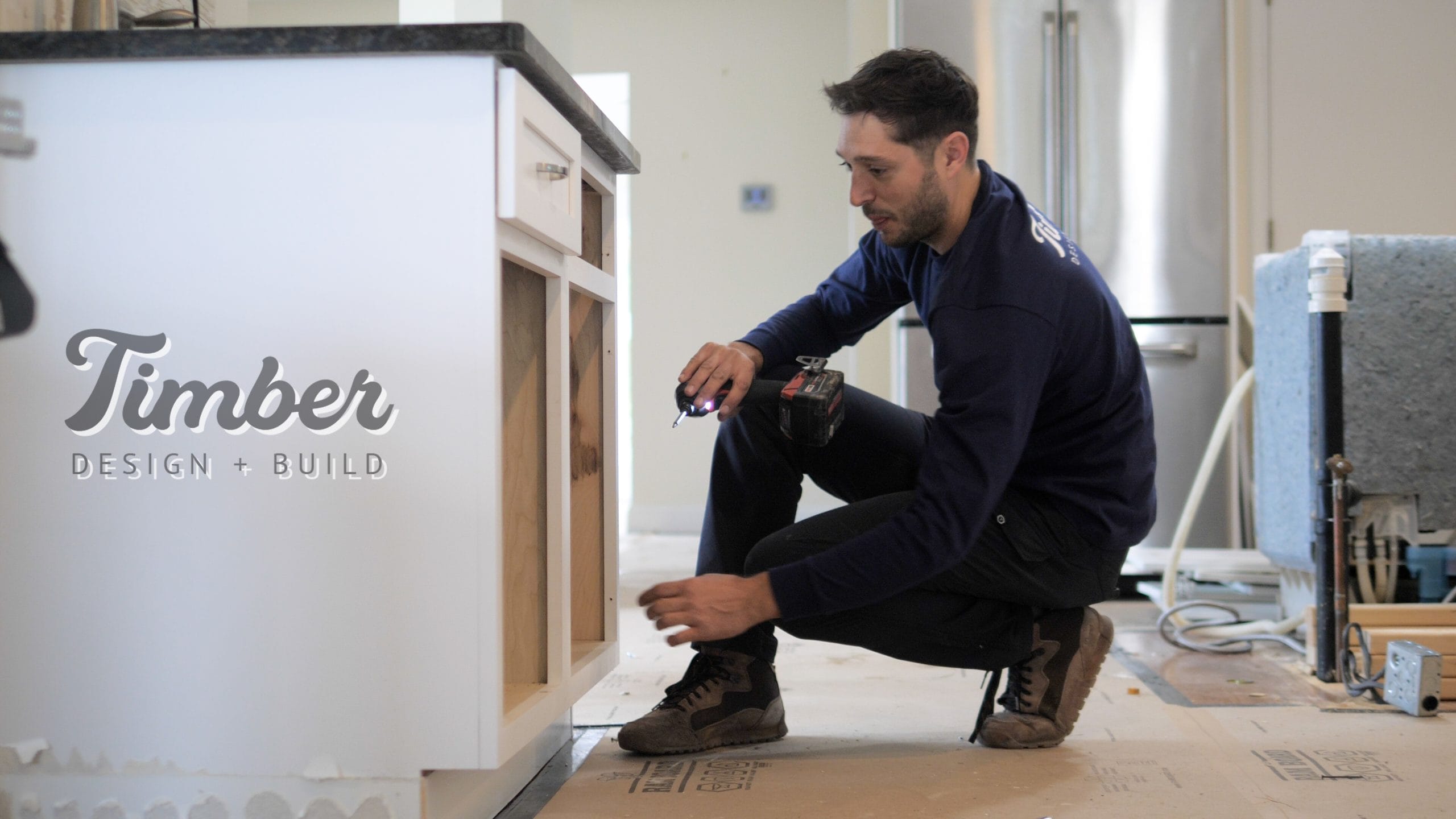
By Jeff Wiegmann, Co-Founder, Timber Design + Build
The Hudson Valley has one of the highest concentrations of pre-1940 housing stock in the Northeast. Renovating a historic home in this region — whether it's a stone farmhouse in Ulster County, a Victorian in Rhinebeck, or a Colonial Revival in Newburgh — requires a fundamentally different approach than renovating a postwar home. The materials are different. The structural systems are different. The regulatory environment is different. And the cost model is different.
By Jeff Wiegmann, Licensed General Contractor, Co-Founder — Timber Design + BuildWhat Defines a "Historic" Home in the Hudson Valley?
For renovation purposes, "historic" means any home built before 1940. These homes share common characteristics: plaster-and-lath walls rather than drywall, balloon framing rather than platform framing, knob-and-tube electrical wiring, cast iron drain pipes, and foundations that may be stone, rubble, or unreinforced concrete. Many homes in Ulster County towns like Kingston's Uptown Stockade District and Stone Ridge date to the 1700s and 1800s. In Dutchess County, Rhinebeck, Red Hook, and Beacon have significant pre-Civil War housing stock. Orange County's Newburgh and Cornwall contain substantial Victorian and Federal-era homes.
Structural Realities of Pre-1940 Homes
Before designing anything, a structural assessment is non-negotiable for historic homes. Balloon framing — where studs run continuously from foundation to roof — creates fire channels that must be blocked during any renovation that opens walls. Stone foundations settle unevenly over decades and may require stabilization or partial rebuilding. Original floor joists in homes built before 1900 are often undersized by modern standards and may need sistering or replacement.
Timber has renovated homes across the Hudson Valley where the "simple kitchen renovation" became a structural project once we opened the walls. A home in Gardiner required complete joist sistering across the first floor before the kitchen renovation could begin. A Woodstock project revealed a carrying beam that had been notched for plumbing — compromising its load capacity. These discoveries are normal in historic homes, not exceptions.
Timber's preconstruction assessment identifies structural risks before you commit to a budget
Call (845) 500-3002 to schedule a site visit.
Schedule AssessmentLead Paint and Asbestos: The Regulatory Baseline
Any home built before 1978 is assumed to contain lead paint. Any home built before 1980 may contain asbestos in floor tiles, pipe insulation, joint compound, or popcorn ceilings. New York State law requires that contractors performing renovation work in pre-1978 homes follow EPA RRP (Renovation, Repair, and Painting) rules: certified renovator on site, containment of work areas, HEPA vacuuming, and proper waste disposal. Timber's crew holds current EPA RRP certification.
Asbestos testing and abatement is a separate licensed trade in New York. If asbestos-containing materials are found, a licensed abatement contractor must remove them before renovation work begins. Budget $3,000–$15,000 for asbestos abatement depending on the extent and location of the materials.
Matching Historic Materials
Many homeowners renovating historic homes want to preserve or match original materials: wide-plank flooring, plaster profiles, period-appropriate trim, and original hardware. This is achievable but costs more than standard renovation materials. Reclaimed wide-plank flooring runs $12–$25 per square foot installed versus $6–$12 for standard hardwood. Custom millwork to match historic profiles requires template work — measuring the original, programming the profile into CNC, and producing new pieces that match. Timber's millwork division produces this type of custom profile matching in our Marlboro shop.
Historic Districts and Preservation Requirements
If your home is in a designated historic district — Kingston's Stockade District, Tuxedo Park, or a property listed on the National Register — exterior modifications require approval from a Historic Preservation Commission or Architectural Review Board. This adds 4–12 weeks to the permitting timeline and restricts what materials and designs can be used on the exterior. Interior work is generally unrestricted unless the property has specific interior landmark designations.
Even outside historic districts, homes eligible for historic tax credits (state or federal) must follow the Secretary of the Interior's Standards for Rehabilitation. This means renovation work must preserve the character-defining features of the home while accommodating modern systems and materials.
Mechanical System Replacement in Historic Homes
Complete electrical rewiring is virtually standard in any substantial historic home renovation. Knob-and-tube wiring cannot remain in walls that are insulated or where junction boxes are disturbed. Budget $25,000–$50,000 for a complete rewire with new 200-amp panel in a 2,000 square foot historic home. Similarly, cast iron drain pipes in pre-1960 homes have a finite life span and often require replacement during a whole-house renovation. HVAC installation in homes with no existing ductwork requires either mini-split systems or creative routing of ductwork through chases built into closets and soffits.
Renovating a historic Hudson Valley home? Start with a conversation.
Jeff and Chris have renovated homes from the 1700s through the 1940s across Ulster, Orange, and Dutchess Counties.
Start Your ProjectCost Expectations for Historic Home Renovation
Historic home renovation costs 20–40% more than renovating a postwar home of equivalent size. The premium comes from: structural remediation, lead and asbestos handling, material matching, and the slower pace of work in homes where nothing is plumb, level, or square. For a full gut renovation of a 2,000 square foot historic home in the Hudson Valley, budget $300,000–$750,000 depending on structural condition and specification level. A phased approach can spread costs over time while maintaining livable conditions.
Contingency for historic homes should be 20% minimum — compared to 10–15% for newer construction. The unknowns hidden behind original plaster and beneath original flooring are real, and a responsible budget accounts for them.
The Design-Build Advantage for Historic Renovation
The design-build delivery model is particularly well-suited to historic renovation because the design and construction team work together from the beginning. When the architect and builder are the same firm, design decisions account for construction realities from day one. There's no gap between the drawing and the site — the team that designs the kitchen is the same team that will open the walls and discover what's behind them.
Frequently Asked Questions
Should I renovate my historic home or tear it down and build new?If the home has significant structural integrity — sound foundation, intact load-bearing walls, good roof structure — renovation is almost always the better value. The structural shell of a well-built pre-1940 home has embodied value that exceeds replacement cost. However, if the foundation is failing, the framing is compromised by rot or termite damage, and the floor plan is fundamentally incompatible with modern living, new construction on the same site may be more practical. A structural assessment provides the data for this decision.
Are there tax incentives for renovating a historic home in New York?Yes. New York offers a state historic tax credit of 20% of qualified rehabilitation expenses for homes in designated historic districts or on the National Register. Federal tax credits of 20% are available for income-producing historic properties. These credits can significantly offset renovation costs but require compliance with the Secretary of the Interior's Standards.
How long does a historic home renovation take?A full gut renovation of a historic home typically takes 8–14 months of construction time — longer than a comparable renovation of a newer home because of structural remediation, lead/asbestos handling, and the additional care required when working with original materials. Add 3–6 months of design and permitting before construction begins. Historic district review can add 2–3 months to the permitting phase.
Can I add modern amenities to a historic home without compromising its character?Absolutely. The best historic renovations preserve the character-defining features — original trim profiles, window proportions, room sequences — while integrating modern mechanical systems, kitchens, and bathrooms. This is where design matters: a well-designed renovation makes the modern elements feel natural within the historic framework. Timber uses 3D renderings to visualize how modern interventions will look within the existing architecture before construction begins.
By Jeff Wiegmann, Licensed General Contractor, Co-Founder — Timber Design + Build