

Whole-House Renovation Timeline: Realistic Phases
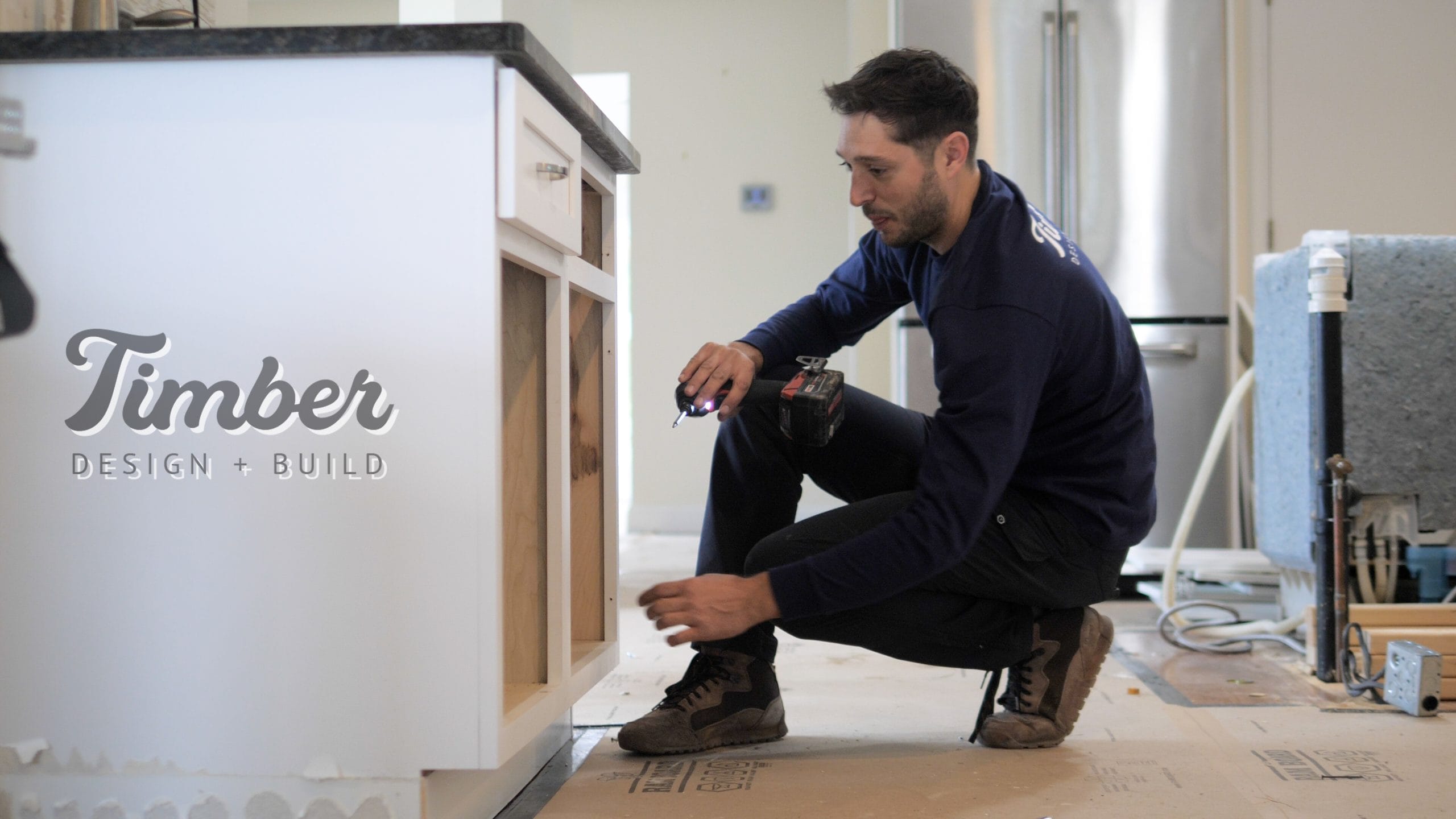
By Jeff Wiegmann, Co-Founder, Timber Design + Build
A whole-house renovation takes 6–14 months of construction time depending on scope, home condition, and specification level. But the construction phase is only part of the total timeline. The full sequence — from first call to move-in — includes preconstruction, design, permitting, and construction. Understanding each phase's realistic duration prevents the most common timeline frustration: expecting a finished home before the project is realistically capable of delivering one.
By Jeff Wiegmann, Licensed General Contractor, Co-Founder — Timber Design + BuildPhase 1: Preconstruction — 2 to 4 Weeks
Preconstruction begins with the first site visit and ends with a signed design-build agreement. During this phase, the builder assesses existing conditions: structural assessment, mechanical system evaluation, and documentation of what exists. The preconstruction phase also establishes a preliminary budget range and project scope. At Timber, preconstruction concludes with a preconstruction agreement that defines the design scope and fee.
Phase 2: Design — 4 to 10 Weeks
Design for a whole-house renovation includes floor plan development, elevation drawings, material selections, and specification of all finishes and fixtures. Timber uses Chief Architect software to produce 3D renderings that allow homeowners to see the renovation before construction begins. Design duration depends on project complexity and client decision-making speed. A straightforward renovation with a decisive client: 4–6 weeks. A complex renovation with multiple design iterations: 8–10 weeks. Design delays caused by indecision on materials are the most common source of overall timeline extension.
Phase 3: Permitting — 2 to 8 Weeks
Permitting timelines in the Hudson Valley vary dramatically by municipality. Towns in Ulster County like New Paltz and Kingston typically process building permits in 2–4 weeks. Orange County municipalities can take 4–6 weeks. If the project is in a historic district requiring preservation board review, add 4–8 weeks for that separate approval process. Projects requiring a variance or special use permit can extend the timeline by 3–6 months.
Timber manages the entire permitting process — from application through inspection scheduling
Call (845) 500-3002 to discuss your renovation timeline.
Start Your ProjectPhase 4: Demolition and Discovery — 2 to 4 Weeks
Selective or full demolition reveals the actual condition of the home's structure and systems. This phase is critical: it's when the team discovers what's behind the walls. For a gut renovation, demolition takes 1–2 weeks. Discovery — documenting conditions, adjusting plans based on findings, ordering any additional materials — takes another 1–2 weeks. This phase frequently generates change orders, which is why adequate contingency in the original budget is essential.
Phase 5: Rough-In — 4 to 8 Weeks
Rough-in includes structural modifications, electrical, plumbing, HVAC, insulation, and drywall. This is the longest construction phase and the one most affected by the home's existing conditions. A postwar home with standard framing: 4–6 weeks. A historic home requiring structural remediation: 6–8 weeks. Rough-in inspections must pass before any finish work can begin — this is a hard gate in the timeline.
Phase 6: Finish Work — 6 to 12 Weeks
Finish work includes flooring, tile, millwork and cabinetry installation, paint, fixture installation, and all final details. This phase has the most dependencies: cabinets must be installed before countertops can be templated, countertops must be installed before plumbing fixtures, and paint must be complete before trim installation. The sequence is critical. Material lead times — particularly for custom cabinetry, natural stone countertops, and specialty fixtures — must be managed during the design phase to avoid delays during finish work.
Phase 7: Punch List and Completion — 1 to 2 Weeks
The punch list is a comprehensive walkthrough identifying items that need correction, adjustment, or completion. A well-run project has a short punch list; a poorly managed project has a long one. After punch list completion, the final building inspection, certificate of occupancy (if required), and project handover occur. Timber stays involved through this entire phase — the project isn't done until every item is resolved.
Total Timeline Summary
| Phase | Duration |
|---|---|
| Preconstruction | 2–4 weeks |
| Design | 4–10 weeks |
| Permitting | 2–8 weeks |
| Demolition & Discovery | 2–4 weeks |
| Rough-In | 4–8 weeks |
| Finish Work | 6–12 weeks |
| Punch List | 1–2 weeks |
| Total (selective) | 5–9 months |
| Total (gut renovation) | 9–16 months |
Need a realistic timeline for your renovation?
Timber provides phase-by-phase schedules during preconstruction — before you commit to a contract.
Schedule a ConsultationFrequently Asked Questions
Can I live in my home during a whole-house renovation?It depends on the scope. A phased renovation is specifically designed to maintain livable conditions by sequencing work room by room. A gut renovation typically requires moving out for the duration of construction — living in a home during a gut renovation is impractical and potentially unsafe during rough-in phases when electrical and plumbing systems are offline.
What causes renovation timeline delays?The three most common: material lead times that weren't planned for during design, client decision delays on selections, and discovery of unexpected conditions during demolition. A proper preconstruction process addresses all three by establishing realistic material timelines, requiring selection decisions before construction starts, and conducting thorough pre-construction assessment to minimize surprises.
How does renovation timeline compare to new construction?Renovation timelines are less predictable than new construction because the existing home introduces variables that don't exist when building from scratch. A 2,000 square foot custom home takes roughly 10–14 months from foundation to move-in. A gut renovation of a 2,000 square foot existing home: 9–16 months. The renovation premium comes from demolition, discovery, and working around existing conditions.
By Jeff Wiegmann, Licensed General Contractor, Co-Founder — Timber Design + Build