

Gut Renovation vs. Selective Renovation: How to Decide
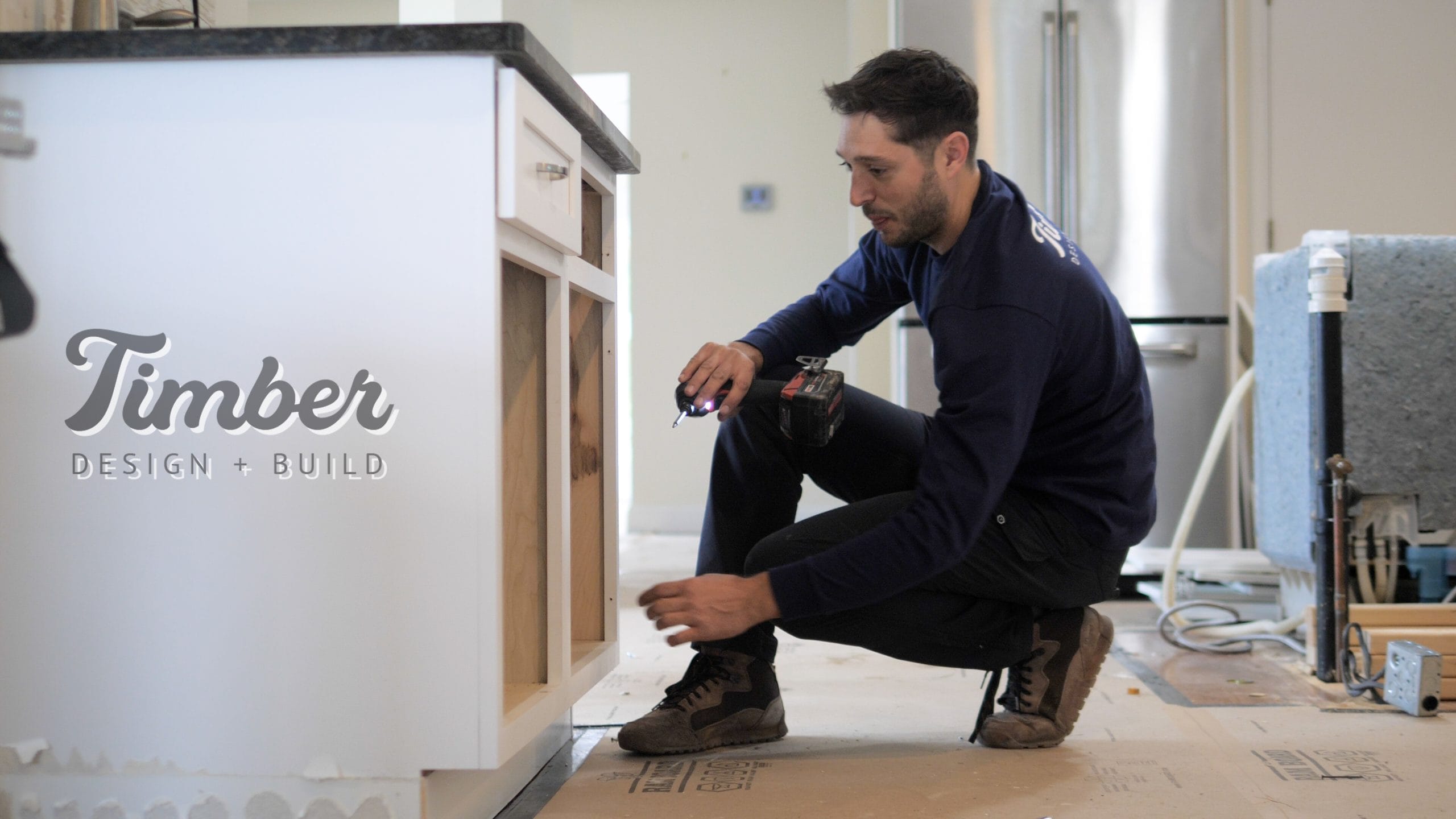
By Jeff Wiegmann, Co-Founder, Timber Design + Build
Every whole-house renovation begins with a fundamental question: do you strip the home to its structural shell (gut renovation) or renovate specific rooms and systems while leaving others intact (selective renovation)? The answer determines scope, cost, timeline, and daily life during construction. Understanding both approaches helps Hudson Valley homeowners make the right call for their home and budget.
What Gut Renovation Actually Means
A gut renovation removes all interior finishes down to the structural frame — studs, joists, subfloor. Everything comes out: drywall, flooring, kitchen, bathrooms, all plumbing, all electrical wiring, the HVAC system. The home is rebuilt from the inside out with new mechanical systems, new insulation, new drywall, and new finishes. It is the most comprehensive scope and the most expensive. In the Hudson Valley, gut renovations typically cost $100–$200 per square foot in construction cost alone.
Gut renovation makes sense when the home's mechanical systems are beyond repair (not just outdated — actually failing or dangerous), when the floor plan needs to change significantly, or when the existing finishes and substrates are too deteriorated to work with. Many pre-1940 Hudson Valley homes fall into this category: knob-and-tube wiring, cast iron drain pipes, no insulation, and lead paint on plaster walls create a combination where selective work becomes impractical.
What Selective Renovation Actually Means
A selective renovation addresses specific rooms and systems while leaving others in place. A common selective whole-house scope: new kitchen, new bathrooms, new flooring throughout, fresh paint, updated electrical panel and fixtures — while retaining existing walls, framing, most plumbing runs, and the HVAC system. Selective renovation costs $75–$150 per square foot depending on the specific scope and specification level.
Selective renovation makes sense when the home's structure and mechanical systems are in reasonable condition, the floor plan works as-is, and the goal is to update finishes, fixtures, and specific systems rather than rebuild from the frame. Post-1970 homes with updated electrical and functional plumbing are often strong candidates for selective renovation.
The Decision Framework
The gut-vs-selective decision should be driven by the home's actual condition — not the homeowner's desired aesthetic outcome or budget target. A structural and systems assessment reveals which approach the home needs.
Gut renovation indicators: Knob-and-tube or aluminum wiring. Cast iron drain pipes with visible corrosion. No insulation or deteriorated insulation. Significant structural issues (sagging floors, compromised bearing walls). Floor plan changes that require moving load-bearing walls. Plaster walls with extensive cracking and moisture damage.
Selective renovation indicators: Updated electrical (copper wiring, 100+ amp panel). Functional plumbing (copper or PEX supply, PVC drains). Adequate structural condition. Floor plan that works without moving walls. Drywall in good condition.
Not sure which approach your home needs?
We assess the home's condition first and recommend scope based on what we find — not what maximizes our contract. Call (845) 500-3002.
Start Your ProjectThe Hybrid Approach
Many whole-house renovations combine elements of both — gut renovating the kitchen and bathrooms (where everything changes) while selectively renovating bedrooms and living areas (paint, flooring, updated fixtures). This hybrid approach is especially common in phased renovations where the budget is deployed incrementally rather than all at once.
Living in Place During Renovation
A gut renovation requires vacating the home — there is no HVAC, no plumbing, no electrical service during the demolition and rough-in phases. Selective renovations are sometimes possible while living in the home, depending on scope. When the kitchen is being renovated, a temporary kitchen setup in an adjacent room can work for 4–8 weeks. When bathrooms are down to one functional unit, the project can proceed with careful scheduling. Timber works with homeowners to create a realistic occupancy plan during the design phase.
Frequently Asked Questions
Can I start with a selective renovation and gut-renovate later?Technically yes, but this sequence is almost always more expensive in total than a single gut renovation done right the first time. New kitchen cabinets installed over deteriorating plumbing will need to come out again when the plumbing fails. A proper assessment prevents this sequence by identifying hidden issues before you invest in surface-level work.
Does a gut renovation add more value than a selective renovation?When the home genuinely needs a gut renovation, yes — the return on investment reflects the comprehensive improvement. When the home only needs selective work, gut-renovating it spends budget on work that buyers will not pay a premium for.
How do I know which approach my home needs?Have a structural and mechanical assessment performed before making the decision. The assessment costs $500–$1,500 and reveals the condition of every system that drives the gut-vs-selective choice.
---
By Jeff Wiegmann, Licensed General Contractor, Co-Founder — Timber Design + Build