How to Phase a Whole-House Renovation Without Moving Out
By Jeff Wiegmann, Co-Founder, Timber Design + Build
Phasing a whole-house renovation means dividing the project into sequential stages — completing one portion of the home before starting the next. Phasing can make a large renovation manageable in terms of budget, daily life disruption, and decision-making. It can also add cost and extend the timeline. Understanding when phasing makes sense — and when it does not — helps Hudson Valley homeowners plan effectively.
When Phasing Makes Sense
Budget deployment: Phasing allows you to deploy renovation budget over time rather than all at once. Phase 1 addresses the most critical work (structural repair, mechanical systems, kitchen). Phase 2 handles the next tier (bathrooms, flooring). Phase 3 finishes the remainder (bedrooms, exterior, landscaping).
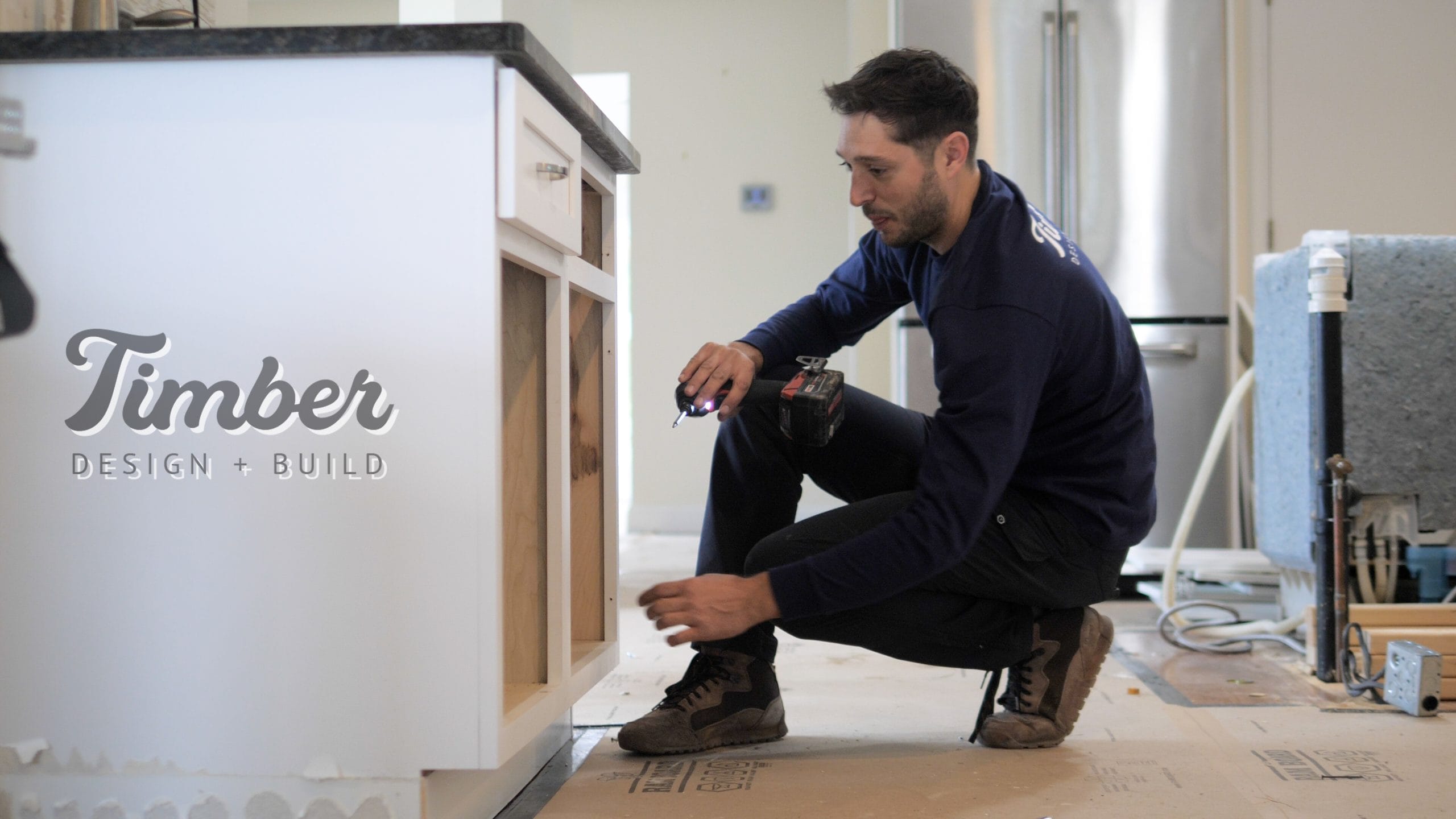
Living in place: When vacating the home is not possible, phasing allows you to occupy finished portions while work proceeds in others. This requires careful sequencing to maintain at least one functional kitchen and one functional bathroom at all times.
Decision fatigue management: A whole-house renovation involves hundreds of decisions — from structural priorities to door hardware. Phasing limits the active decision set to one portion of the home at a time.
When Phasing Does Not Make Sense
Gut renovations with mechanical system replacement: When the entire home needs new electrical, plumbing, and HVAC, splitting this work into phases adds significant cost. Mechanical trades mobilize once for the whole house more efficiently than three separate mobilizations for three phases. The rough-in work benefits from having all walls open simultaneously.
Tight timeline: Phasing extends total project duration by 30–60% compared to a continuous build. If you need the renovation complete within a specific window, a continuous approach is faster.
A Practical Phasing Strategy
Phase 1 — Infrastructure + Kitchen (months 1–4): Address any structural issues, upgrade electrical panel, replace HVAC system if needed, and renovate the kitchen. The kitchen drives daily life quality — completing it first restores normalcy faster.
Phase 2 — Bathrooms + Primary Suite (months 5–8): Renovate the primary bathroom, secondary bathrooms, and the primary bedroom suite. This phase can proceed while you live in the home using the completed kitchen and the bathroom not under renovation.
Phase 3 — Common Areas + Bedrooms (months 9–12): New flooring, paint, trim, and millwork throughout common areas and bedrooms. This phase is the least disruptive and can be done room-by-room while living in the home.
Need help developing a phasing plan?
We design phasing strategies that balance budget, livability, and construction efficiency. Call (845) 500-3002.
Start Your ProjectThe Cost of Phasing
Phasing adds 10–20% to the total renovation cost compared to a continuous build of the same scope. The premium comes from: repeat mobilization and demobilization of trade crews; temporary protection of completed work during subsequent phases; temporary connections for mechanical systems between phases; and the general overhead of managing a multi-phase project. The tradeoff is real — but for homeowners who cannot deploy the full budget at once or cannot vacate the home, the phasing premium is the cost of making the project feasible.
Phasing Across the Hudson Valley
Timber manages phased renovations throughout Ulster County, Dutchess County, and Greene County. Our design-build approach is especially valuable in phased projects because the same team that designed the overall plan manages every phase of construction — maintaining continuity across phases that can span 12–18 months.
Frequently Asked Questions
Can I get a fixed price for each phase?Yes — Timber provides a fixed-price proposal for each phase based on the completed design. The overall project scope is designed upfront so all phases are coordinated, but each phase is priced and contracted individually. This protects you from scope changes in later phases affecting the price of earlier ones.
How far apart can phases be?Phases can be as close together as two weeks (for crew transition and material staging) or as far apart as 12–18 months if you need time to rebuild budget between phases. The key requirement is that the overall design is completed upfront so that early-phase work does not conflict with later-phase plans.
Can I change the scope of later phases after Phase 1 is complete?Within limits. Minor scope changes (material selections, fixture upgrades) are straightforward. Major scope changes (moving walls, changing floor plan) in later phases can conflict with infrastructure work completed in Phase 1. This is why the overall design is completed before any phase begins.
---
By Jeff Wiegmann, Licensed General Contractor, Co-Founder — Timber Design + Build