

Home Office Built-Ins: Designing a Workspace That Actually Works
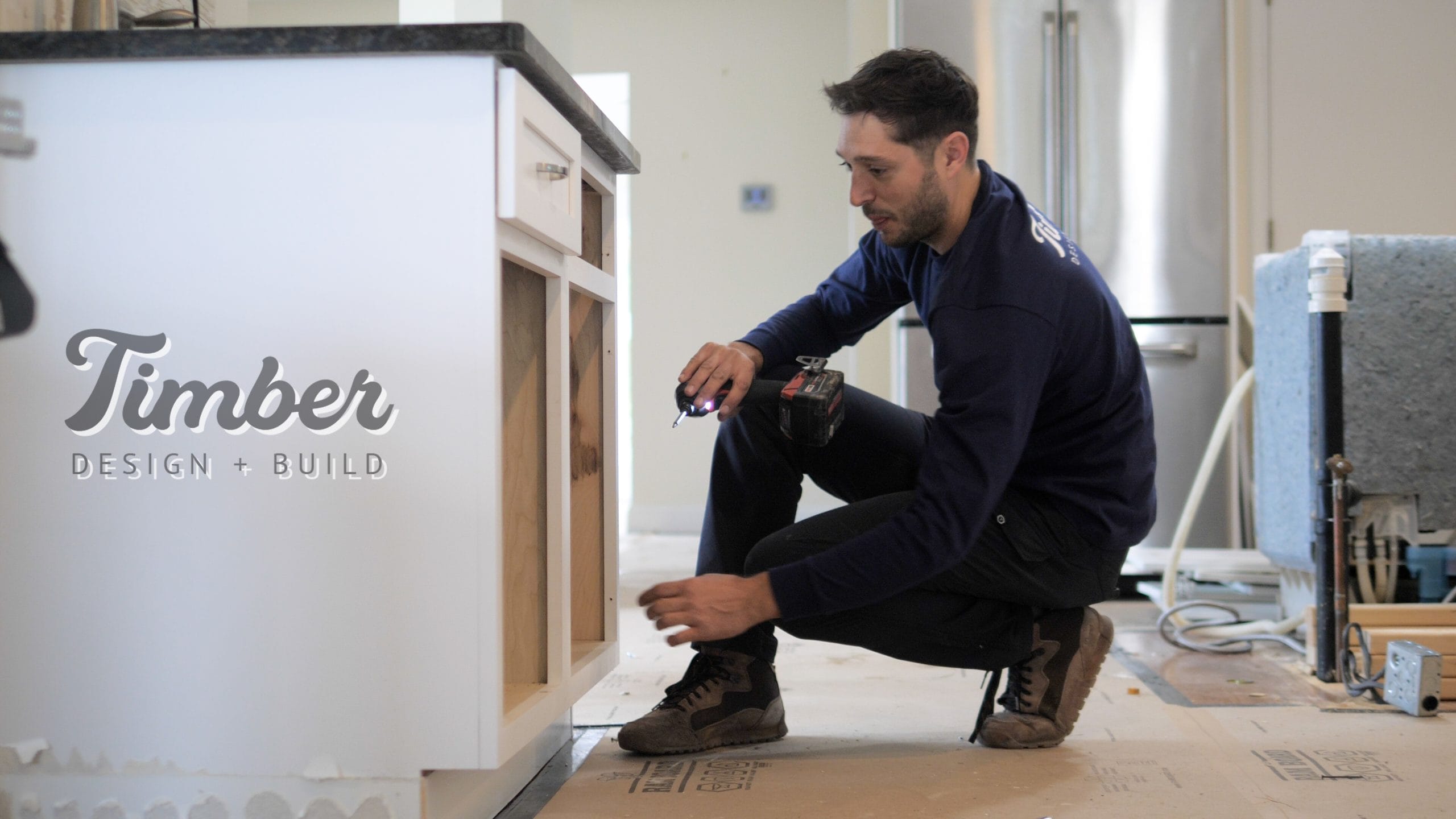
By Jeff Wiegmann, Co-Founder, Timber Design + Build
Custom Millwork — The home office became a permanent feature of Hudson Valley life after 2020, and the homes that existed before 2020 were not designed for it. A dedicated room with a desk and a bookshelf works. A dedicated room with a fully integrated work wall — custom desk run, overhead cabinets, filing storage, bookcase display, and cable management — works dramatically better. The difference is not just aesthetic; it is functional. Here is how to design a home office built-in system that matches how you actually work.
By Jeff Wiegmann, Licensed General Contractor, Co-Founder — Timber Design + BuildHome Office Built-In Design Priorities
- Desk height: standard 30" is right for most people; 28"–29" preferred if you use a keyboard tray
- Desk depth: minimum 24" for comfortable monitor placement; 30" is better for dual monitors
- Overhead cabinet height: 18" above desk surface — enough clearance to work, enough storage depth to be useful
- File storage: 3-drawer lateral file cabinet (18" deep) holds more than a pedestal at 15" deep
- Cable management: grommets in desk surface, channel behind desk run, panel at wall for connections
- Display shelving: above the file storage — books, reference materials, visual anchors for video calls
The Work Wall Concept
A work wall treats the entire wall behind the desk as an integrated system — not a desk pushed against the wall with a bookcase beside it and a filing cabinet wherever it fits. The work wall typically includes: a continuous desk run across the full width of the wall (or the usable width of the room), overhead cabinets above the desk run for closed storage of materials not in immediate use, open display shelves above the overhead cabinets for books and reference materials, and integrated filing storage either in a base cabinet under the desk or in a dedicated filing section at one end of the run.
Ready to discuss your project?
Jeff or Chris will walk your site and give you an honest assessment. Call (845) 500-3002.
Start Your ProjectThe advantage of a continuous desk run over a single desk: working space for multiple monitors, spreading out documents, having reference materials open alongside the primary work surface. A 72-inch desk is functional for a single monitor; a 96–120 inch desk run accommodates dual monitors, a printer, and open space that is available when needed.
Corner Office Configuration
An L-shaped or U-shaped built-in office system uses a corner to create a wrap-around work environment. The corner itself — typically not the most productive work position due to the computer setup challenge in a true corner — can be used for a monitor position with the keyboard centered, or can be bridged with a corner shelf that creates a reference surface and connects the two desk runs without becoming the primary work position.
Corner units in built-in millwork require careful planning: the corner itself must accommodate whatever depth is needed on both walls without creating a protruding corner that restricts room movement. Radius corners (curved front edge at the corner), diagonal corner units, or open corner pass-throughs each solve this problem differently. Timber's Millwork Division produces all three configurations.
Materials for Home Office Millwork
Paint-grade (poplar or maple with a painted finish) is the most common choice for home office built-ins — clean, professional appearance, any color, durable for a workspace environment. Stain-grade white oak or walnut is popular for clients who want a warmer, more residential appearance that integrates with furniture-quality aesthetics. Stain-grade surfaces show fingerprints more readily in a high-touch work environment than painted surfaces.
Desk surface material: wood veneer is the standard for custom desk runs — typically the same species as the cabinet face, finished with a durable clear coat (conversion varnish for maximum scratch resistance). Some clients choose a different material for the work surface: stone (heavy, durable, cold to the touch), laminate (inexpensive, many patterns, less premium appearance), or glass (visually light, easy to clean, cold and noisy as a work surface).
Fun fact: A Cornell University study on home office ergonomics found that knowledge workers with dedicated, purpose-designed workspaces reported 23% higher productivity and significantly lower physical discomfort (neck, shoulder, wrist) than workers using repurposed furniture. The primary contributing factors were proper monitor height, keyboard position relative to seating, and adequate surface space to avoid reference material stacking.
Related Reading
- Custom Built Ins Vs Furniture
- Custom Kitchen Cabinetry Timber Millwork
- Custom Mudroom Design
- Built In Bookshelves Library Walls
- Back to Custom Millwork
Frequently Asked Questions
How much does a custom home office built-in cost?A simple desk-and-shelf wall (desk run, overhead cabinets, open shelving above) for a 12-foot wall runs $8,000–$15,000 from Timber's Millwork Division. A full wrap-around system with filing, integrated lighting, and a premium finish runs $15,000–$35,000. The range reflects wall width, cabinet complexity, finish type, and hardware selection.
Can built-in office furniture accommodate standing desk ergonomics?A full standing-height desk (approx. 40–44 inches depending on user height) can be designed as part of a built-in system — particularly effective as a dedicated standing section at one end of a run while the seated work surface continues at standard height. An electric height-adjustable desk surface within a built-in frame requires more engineering but is achievable; the mechanism must be specified and the cabinet must be built to accommodate the moving section.
How do we handle the video call background in a home office built-in?The work wall behind the primary desk position is the background visible on every video call. Built-in bookcases with a curated selection of books and objects, finished in a species and color that works with the room's lighting, create a professional background that is better than any virtual background. Timber works with clients on the specific design of the display section with video call appearance as one of the design criteria — including shelf spacing that accommodates books of varying heights and objects that have appropriate visual scale.
Planning a project in the Hudson Valley?
Call (845) 500-3002 or schedule a consultation.
Start Your ProjectBy Jeff Wiegmann, Licensed General Contractor — Timber Design + Build