

Built-In Bookshelves and Library Walls: Planning, Design, and Construction
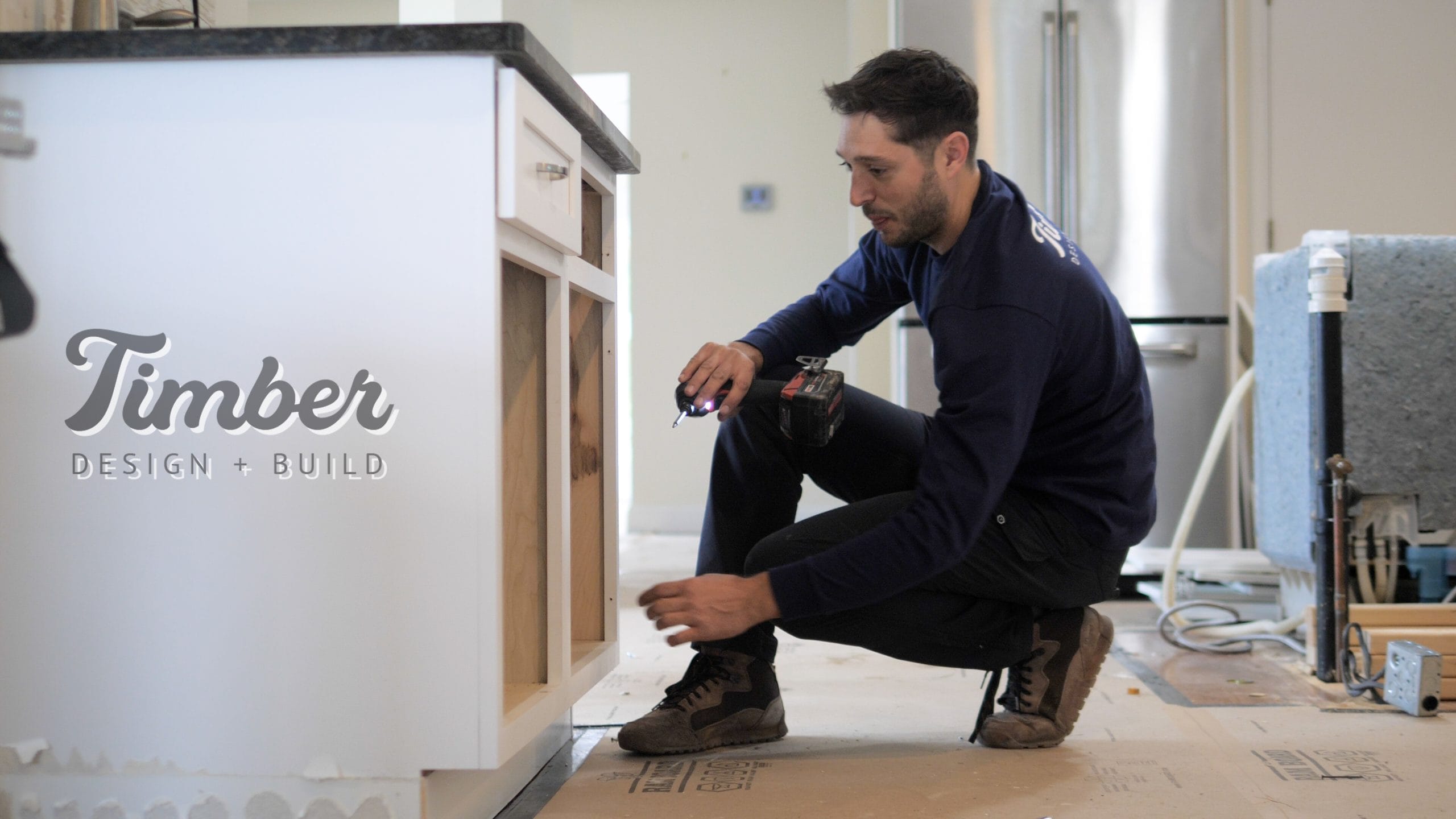
By Jeff Wiegmann, Co-Founder, Timber Design + Build
Custom Millwork — A floor-to-ceiling library wall is the most transformative single millwork element in a residential interior. It turns a living room, a study, or a hallway into a room with presence — a room that communicates the character and history of the people who live in it. It also creates substantial storage for books, objects, and collections that would otherwise require freestanding furniture. The design and construction of a library wall has specific structural and aesthetic requirements that determine whether it looks right and lasts. Here is what to know before you build one.
By Jeff Wiegmann, Licensed General Contractor, Co-Founder — Timber Design + BuildLibrary Wall Design Elements
- Overall depth: 10"–12" for standard book storage (paperbacks 5", hardcovers 8"–9")
- Shelf spacing: adjustable shelves — minimum 10" clear between shelves for standard books; 14"+ for oversize
- Face frame width: 2"–3" face frames create a traditional library appearance; 1" creates a more contemporary look
- Lighting: puck lights or LED strip in the upper cabinets illuminate shelves; wiring must be roughed in before drywall
- Base cabinets: lower 36" of the wall as closed cabinets maximizes functional storage
- Ladder track: a rolling library ladder requires a continuous upper track — must be designed in from the start
Structural Considerations: What Is Behind the Wall
A floor-to-ceiling built-in bookcase is attached to the wall framing. The weight of books — approximately 30–40 pounds per linear foot of packed shelving — requires that the wall attachment points are at structural members (studs), not just drywall. In a properly built bookcase, every vertical divider is attached to a wall stud or to a plywood backer panel that spans between studs, and the top of the unit is secured to the ceiling or to a cleat at the ceiling plate.
In older Hudson Valley homes with plaster walls, stud spacing may be irregular (16 inches on center is standard; older homes sometimes used wider or irregular spacing). A plywood backer panel installed first, then the bookcase unit installed over it, solves the irregular stud spacing problem by distributing the load across multiple attachment points.
The Flanking Fireplace Bookcase: The Classic Configuration
Ready to discuss your project?
Jeff or Chris will walk your site and give you an honest assessment. Call (845) 500-3002.
Start Your ProjectBuilt-in bookcases flanking a fireplace are the most common library wall configuration and the one with the most established design principles. The proportions that work: the bookcase width on each side should be roughly equal to or slightly narrower than the fireplace opening width, creating a visual balance that treats the three elements (left bookcase, fireplace, right bookcase) as a unified composition.
The base cabinet section on each side of the fireplace typically aligns with the mantel height — creating a horizontal datum line that connects the bookcases to the mantel visually. This line is where the transition from closed cabinets to open shelves happens, and it is the detail that most determines whether the built-in looks designed or improvised.
Doors, Drawers, and Hardware
Base cabinet doors in a library wall: shaker-style recessed panel doors in the same species and finish as the shelving is the most integrated approach. Glass-front doors on the upper section (above the base cabinet, below the open shelves) are a design option that allows display of decorative items in a closed but visible format.
Hardware selection for a library wall: brushed brass or unlacquered brass with a traditional library aesthetic; matte black for a more contemporary look; antique bronze for a historic Hudson Valley aesthetic. Timber's hardware sourcing includes Rejuvenation, Emtek, and custom hardware options for specific aesthetic requirements.
Fun fact: The weight capacity of a standard 3/4" plywood shelf at a 36-inch span (the typical distance between vertical dividers) is approximately 50–70 pounds before noticeable deflection occurs. A shelf loaded with books at 30 pounds per linear foot will deflect (sag) on a 36-inch plywood shelf over time. Solutions: a 1/4" solid wood edge banding applied to the front of the shelf (creates a T-beam effect that resists deflection), a narrower shelf spacing, or a thicker shelf (1-inch plywood or solid wood).
Related Reading
- Custom Built Ins Vs Furniture
- Custom Kitchen Cabinetry Timber Millwork
- Home Office Built Ins
- Custom Mudroom Design
- Back to Custom Millwork
Frequently Asked Questions
How much does a full library wall cost?A 12-foot wide, 9-foot tall library wall with base cabinets, open shelving above, painted finish, and standard hardware runs $15,000–$25,000 from Timber's Millwork Division, including production and installation. A library wall in solid white oak with natural finish, glass-front upper doors, and a rolling ladder track runs $25,000–$45,000. The range reflects species, finish complexity, door type, and hardware.
Can we add a rolling library ladder to an existing built-in?A rolling library ladder requires a track mounted to the top of the bookcase unit that the ladder hardware can attach to. If the existing bookcase was not designed with a track-ready top, adding one requires either modifying the existing top of the unit (adding a structural mounting rail) or replacing the top section. This is easier if the bookcase was built by a professional shop with accessible mounting structure. Most ladder track systems require a continuous 1.5"–2" wood surface at the top of the bookcase to attach to.
Do library walls work in rooms with low ceilings?Floor-to-ceiling bookcases in rooms with 8-foot ceilings are proportional and work well — a 7'6" tall bookcase with crown molding to the ceiling reads as a full library wall. Rooms with ceilings below 8 feet are more constrained; the visual impact of the library wall diminishes as the ceiling drops. Timber designs library walls proportionally for the specific ceiling height — the shelf count, face frame proportions, and crown detail all adjust to the room.
Planning a project in the Hudson Valley?
Call (845) 500-3002 or schedule a consultation.
Start Your ProjectBy Jeff Wiegmann, Licensed General Contractor — Timber Design + Build