

How to Read a Construction Estimate: What the Numbers Actually Mean
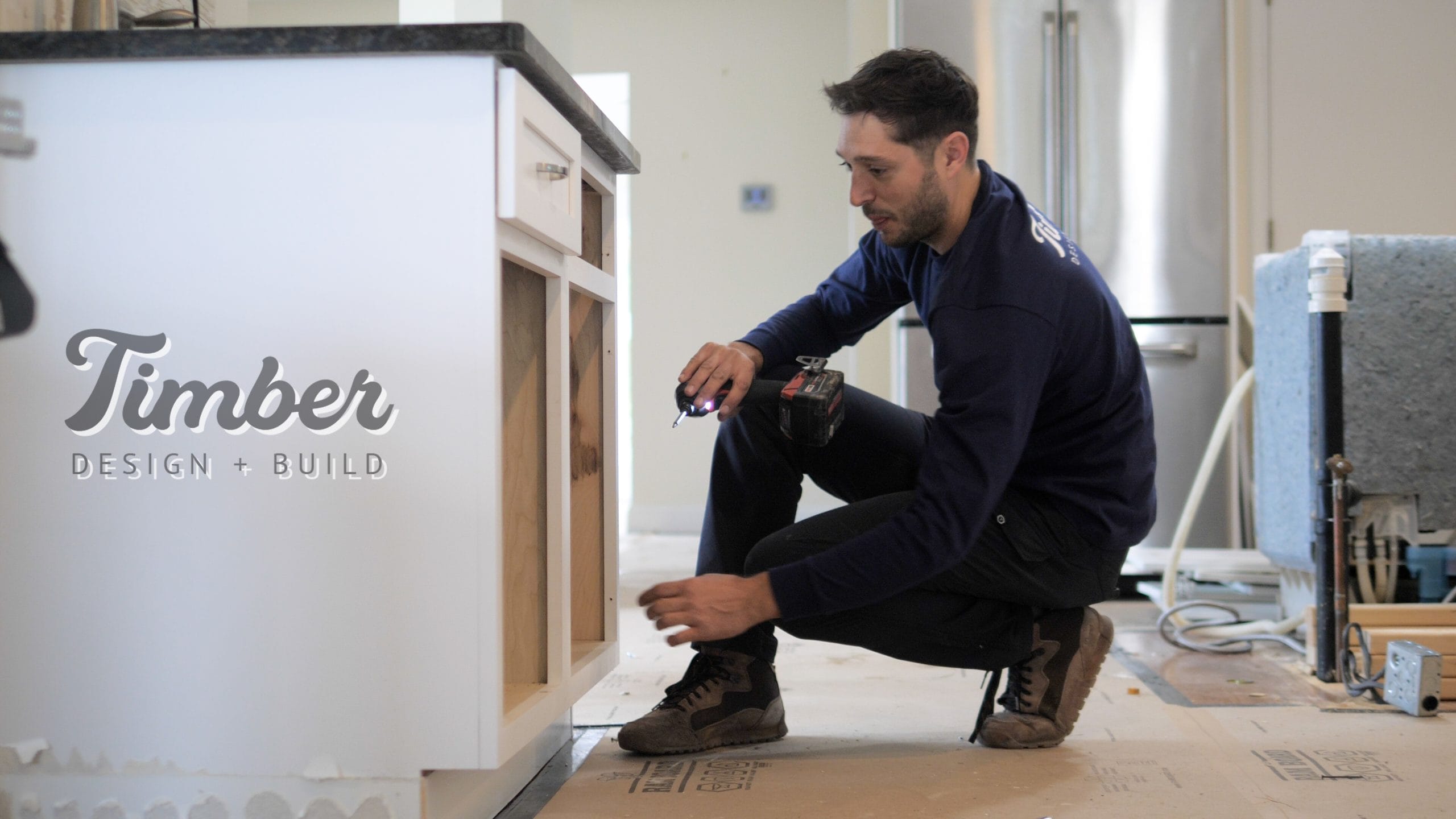
By Jeff Wiegmann, Co-Founder, Timber Design + Build
Preconstruction Services — A construction estimate is a document that most homeowners receive but few know how to evaluate. The total number gets attention. The line items below it are often accepted without scrutiny. But the details of a construction estimate — what is included, what is excluded, how allowances are set, how contingency is handled, and how change orders will be priced — contain most of the information that determines whether the project finishes near the estimate or significantly above it. Here is what to look for.
By Jeff Wiegmann, Licensed General Contractor, Co-Founder — Timber Design + BuildWhat to Look For in a Construction Estimate
- Line-item detail: vague scopes (e.g. "kitchen renovation — $85,000") hide the basis of the number
- Allowances: budget placeholders for items not yet selected — every allowance is a number that may change
- Exclusions: what is explicitly not included — permits, design fees, appliances, site work are commonly excluded
- Contingency: is a contingency line included, and how much? Industry standard: 10–15% of hard costs
- Change order rate: how are changes above the original scope priced? Labor rate + material markup?
- Payment schedule: does it tie to construction milestones or calendar dates?
Line Items vs. Lump Sum Estimates
A lump sum estimate — "complete kitchen renovation: $95,000" — gives you a number but no basis for evaluating it. Is $95,000 appropriate for your kitchen at the scope and specification level you described? You cannot evaluate this without knowing what the number is based on. A contractor who provides a lump sum without a breakdown is either pricing from experience (which may be accurate) or avoiding the specificity that would allow you to compare their number to others or to challenge it.
A line-item estimate breaks the project into trade categories (demolition, plumbing, electrical, carpentry, tile, cabinetry, countertops, paint) with a number for each line. This allows you to evaluate whether the individual components are reasonable — you may not know whether $12,000 for tile labor is appropriate, but you can ask what it covers (how many square feet at what hourly rate) and evaluate the answer.
Line-item estimates also make scope comparison easier. When you receive two estimates and one is $20,000 lower than the other, a line-item format reveals where the difference is — not just that the total is lower. A lower tile number might reflect a different tile specification. A lower cabinetry number might reflect semi-custom rather than custom cabinets. A lower total might reflect exclusions that will reappear as change orders.
Understanding Allowances
Ready to discuss your project?
Jeff or Chris will walk your site and give you an honest assessment. Call (845) 500-3002.
Start Your ProjectAn allowance is a budget placeholder for an item that has not yet been selected or specified. Common allowances in renovation estimates: tile allowance ($8/sq ft — includes materials only, not installation), fixture allowance ($500/fixture), appliance allowance ($12,000), lighting allowance ($4,000/floor), hardware allowance ($150/door). The allowance number represents the contractor's estimate of what the item will cost when selected.
Allowances are not guarantees. If you select tile at $25/sq ft and the allowance was $8/sq ft, the difference is a change order. This is the mechanism by which many renovation budgets increase from the initial estimate to the final cost.
When reviewing an estimate with allowances, ask: "Is this allowance number realistic for the specification level I have described?" A $150/fixture allowance may cover a basic commodity fixture; it does not cover the Kohler or Brizo fixtures that a high-specification bathroom renovation requires. If the allowance numbers are unrealistically low, the estimate is understating the likely final cost.
Exclusions: What the Number Does Not Include
Every construction estimate has exclusions — items explicitly not included in the contract price. Common exclusions that homeowners sometimes do not account for: design fees, permit fees, appliances, window treatments, furniture, landscaping, dumpster rental, temporary storage of homeowner belongings, and temporary living expenses during renovation. These can collectively represent $20,000–$60,000 on a renovation project.
Read the exclusions section of every estimate carefully. Add the excluded items to the total estimate to produce the actual all-in cost of the project. An estimate that looks competitive may include fewer items than a higher estimate that covers a broader scope.
Fun fact: The American Institute of Architects reports that the average residential construction project generates 6–12 formal change orders. The most common source is items that were not in the original scope — either excluded explicitly or simply not addressed in a lump-sum estimate that was written without enough detail to define the scope clearly. Detailed scopes and line-item estimates produce fewer change orders.
Related Reading
- What Is Preconstruction Planning
- Site Assessment New Construction
- Preconstruction Design Process
- Budgeting For Contingency Construction
- Back to Preconstruction Services
Frequently Asked Questions
How do I compare two estimates that have different line-item structures?Normalize them. Create a common line-item structure and allocate each estimate's numbers to the same categories. Then compare category by category. If one estimate does not have a line item that the other includes, ask whether the scope is included somewhere else or excluded. Comparisons at the total level are misleading; comparisons at the scope level reveal whether you are actually comparing equivalent projects.
What is a reasonable contingency in a renovation estimate?Ten to fifteen percent of the hard construction cost (not including design fees, permits, or appliances) is the industry standard recommendation for residential renovation contingency. For projects in homes built before 1960, or for any renovation that involves opening walls that have not been opened before, fifteen to twenty percent is more appropriate. A contingency that is not spent is a successful project. A project without contingency that encounters discoveries has nowhere to absorb the cost.
Should I always choose the lowest estimate?No. The lowest estimate is most likely to be the one that carries the most unrealistic allowances, the most aggressive assumptions about site conditions, or the most incomplete scope. Evaluate estimates on the quality of the information they contain, not just the total number. A higher estimate from a contractor who provides line-item detail, realistic allowances, and transparent exclusions is more likely to reflect the actual project cost than a lower estimate from a contractor who provides a lump sum with minimal backup.
Planning a project in the Hudson Valley?
Call (845) 500-3002 or schedule a consultation.
Start Your ProjectBy Jeff Wiegmann, Licensed General Contractor — Timber Design + Build