

Budgeting for Contingency: Why Every Construction Budget Needs Reserve
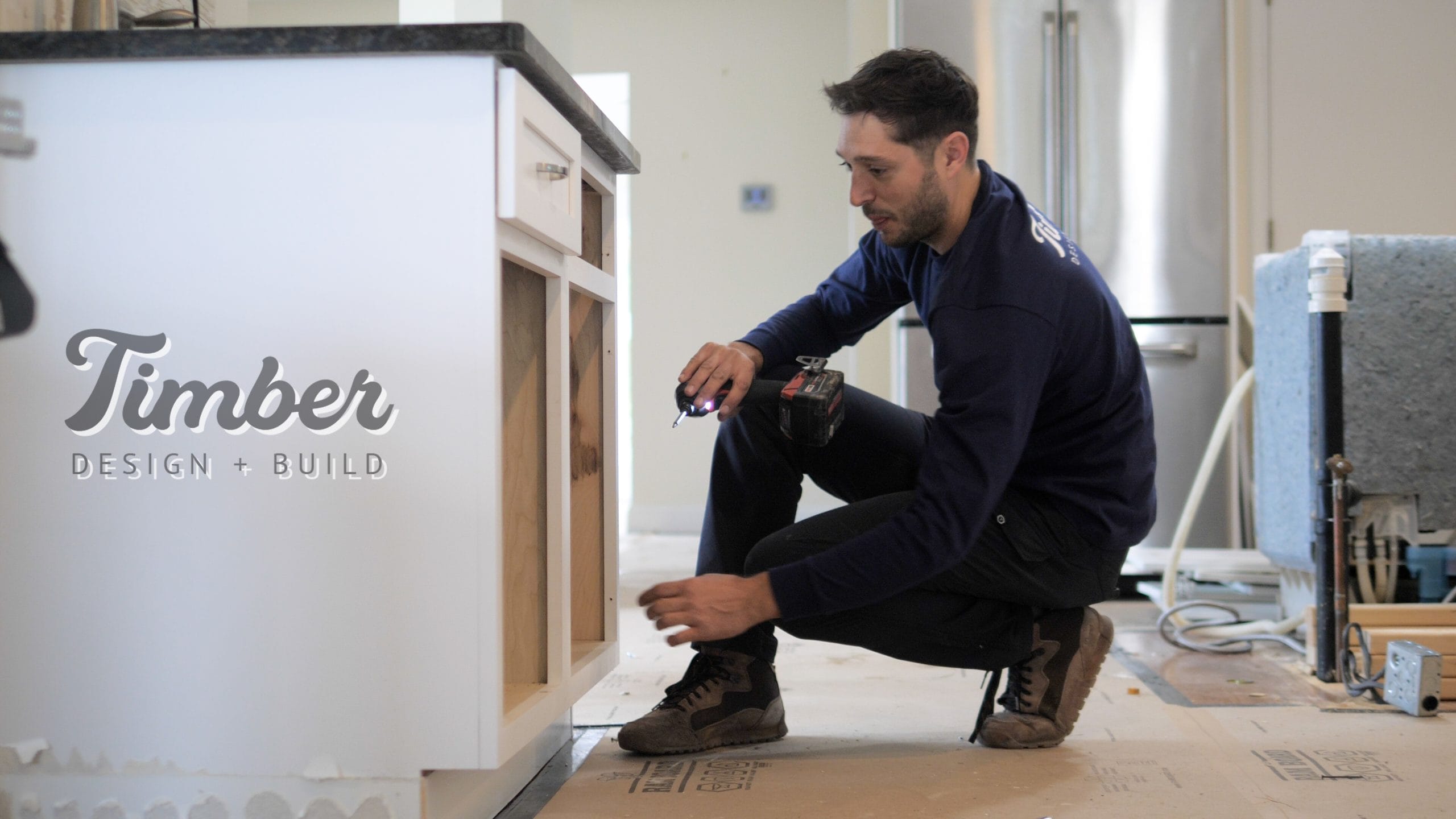
By Jeff Wiegmann, Co-Founder, Timber Design + Build
Preconstruction Services — Every construction and renovation project has a contingency budget — either an explicit reserve that the owner has set aside, or an implicit one that will be funded by stress, debt, and difficult conversations when the unexpected arises. The only question is whether the contingency is planned or accidental. This article makes the case for planning it, explains how much to carry, and addresses the common objection that a contingency line item is an invitation to spend more than necessary.
By Jeff Wiegmann, Licensed General Contractor, Co-Founder — Timber Design + BuildContingency Guidelines by Project Type
- New construction on a known site (no significant unknowns): 8–10% of hard costs
- New construction on an unknown or complex site: 12–15%
- Renovation of a post-1980 home in good condition: 10–12%
- Renovation of a home built 1945–1980: 12–15%
- Renovation of a home built before 1945: 15–20%
- Historic home renovation with significant existing unknowns: 20–25%
- Contingency is carried by the owner — not included in the contractor's contract price
What Contingency Pays For
Contingency is not a slush fund for additional scope requests. It is a reserve for costs that arise from conditions that could not be known or predicted at the time the contract was signed. The categories that contingency typically covers: discovered conditions during demolition (rot, asbestos, lead paint, inadequate structure, deteriorated systems), changes required by unforeseen field conditions (framing that is not where drawings showed, utility lines in an unexpected location), and minor owner-directed scope additions that are genuinely additive to the original scope.
What contingency does not cover: scope additions that the owner requests after the contract is signed and that could have been included in the original scope if decided earlier. If you decide mid-renovation that you want to renovate the powder room too, that is a scope addition — not a contingency event. The distinction matters because it determines how the change is funded and whether it was predictable.
Ready to discuss your project?
Jeff or Chris will walk your site and give you an honest assessment. Call (845) 500-3002.
Start Your ProjectThe Objection: "Carrying Contingency Means I'll Spend It"
The most common objection to explicit contingency budgeting is that having the money set aside will create a temptation to spend it. This confuses contingency with discretionary budget. Contingency is reserved for non-discretionary events — costs that arise from conditions outside the owner's control. If the contingency remains unspent at project completion, it is returned to the owner. It is not absorbed by the contractor; it was never in the contractor's contract.
The alternative — not having explicit contingency — does not prevent unforeseen conditions from occurring. It just means that when they occur, the owner has not planned for the cost. The choices at that point are: fund the overrun from savings, use credit, defer the discovery (which creates a larger problem later), or have a difficult conversation about scope reduction to offset the overrun. None of these options are better than having planned for the possibility.
Design Contingency vs. Construction Contingency
There are two types of contingency relevant to a construction project. Design contingency is the reserve for scope growth during the design phase — the additions and changes that happen as the design develops and the owner makes more specific decisions than were possible at the initial programming stage. Construction contingency is the reserve for conditions discovered during construction.
Design contingency is typically 5–10% of the estimated construction cost, carried during the preconstruction phase. Construction contingency is the 10–20% reserve described above, carried during the construction phase. Some projects have one; well-managed projects carry both.
Fun fact: A 2023 survey of Hudson Valley homeowners who had completed renovation projects in the previous three years found that 68% of projects encountered at least one significant discovered condition during demolition — the most common being moisture damage (38%), outdated electrical wiring (29%), and asbestos-containing materials (21%). Among projects with a formal contingency budget, 85% were completed within the total budget including contingency. Among projects without a formal contingency budget, 62% exceeded the original budget.
Related Reading
- What Is Preconstruction Planning
- Site Assessment New Construction
- How To Read Construction Estimate
- Preconstruction Design Process
- Back to Preconstruction Services
Frequently Asked Questions
Should the contingency be held by the owner or by the contractor?Contingency should be held by the owner — not included in the contractor's contract sum. Contractor-held contingency is contractor profit if it is not spent. Owner-held contingency is returned to the owner if it is not spent. The owner has a financial incentive to use contingency carefully; the contractor's incentive is different if the contingency is in their contract.
What happens if contingency runs out before the project is complete?The owner must either fund additional scope from other sources (savings, line of credit), negotiate scope reductions to offset the overrun (defer some scope to a future phase), or in the worst case halt construction — which creates its own problems. The purpose of adequate contingency planning is to ensure that the reserve is large enough that this scenario does not arise. Projects that exhaust contingency typically did either carry an inadequate contingency amount or encountered an unusual concentration of discoveries.
Do we need contingency for new construction, or just renovations?Yes — new construction requires contingency too, though typically at a lower percentage than renovation. New construction on an unknown site can encounter rock, high groundwater, or poor soil bearing capacity. The building process includes inspections that may require additional work to pass. Material prices fluctuate during the 12–20 months of a custom home build. Carrying 8–12% contingency on a new construction budget is appropriate.
Planning a project in the Hudson Valley?
Call (845) 500-3002 or schedule a consultation.
Start Your ProjectBy Jeff Wiegmann, Licensed General Contractor — Timber Design + Build