The Custom Home Building Process: What to Expect
By Jeff Wiegmann, Co-Founder, Timber Design + Build
The Custom Home Building Process: What to Expect from First Call to Move-In
Most homeowners who have never built before go into the process expecting a timeline of 6–9 months and emerge 18 months later wishing someone had told them what the phases actually involve. The custom home building process has six distinct phases — each with its own timeline, decision requirements, and cost exposure.
Custom Home Timeline Overview
- Phase 1 — Design and Preconstruction: 2–4 months
- Phase 2 — Permitting: 1–4 months (varies by municipality)
- Phase 3 — Site Preparation and Foundation: 4–8 weeks
- Phase 4 — Framing and Rough-In: 8–14 weeks
- Phase 5 — Envelope and Interior Rough: 6–10 weeks
- Phase 6 — Finishes and Millwork: 10–16 weeks
- Total: 12–20 months from design kickoff to certificate of occupancy
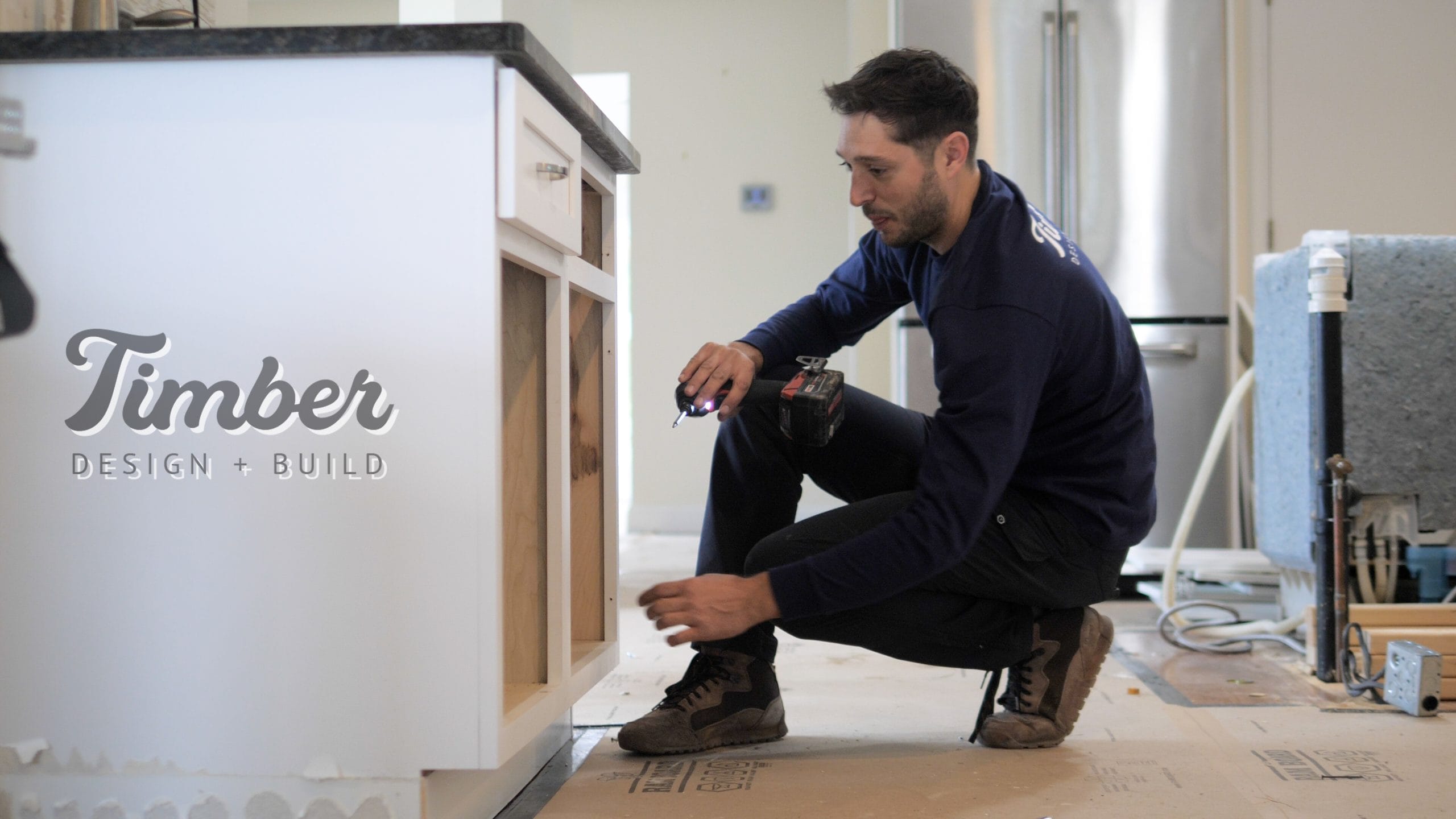
Timber Design + Build custom home building
Phase 1: Design and Preconstruction (2–4 Months)
The design phase is where the home exists entirely on paper — and where all design decisions should be made. Changes made in this phase cost hours of drafting time. The same changes made during framing cost money, schedule, and sometimes structural work to undo.
In a design-build model, the design team produces floor plans, elevations, and three-dimensional renderings using professional software. You walk through the home digitally before anything is built.
According to construction industry data, design changes made after construction begins cost 10–100 times more than the same changes made during the design phase.
Phase 2: Permitting (1–4 Months)
After the design is finalized, construction drawings are submitted to the local building department. Permitting timelines in the Hudson Valley vary significantly by municipality — some towns review permits in 4–6 weeks, others take 3–4 months.
Site-specific permits that may be required: septic system design and permit, well permit, wetland or floodplain review, driveway permit, and in some cases NYSDEC review.
Phase 3: Site Preparation and Foundation (4–8 Weeks)
Site preparation involves clearing vegetation, establishing access, and setting up the construction site. This is when subsurface conditions that affect cost are confirmed.
Foundation work varies by design and site: full basement, crawl space, or slab-on-grade. A full basement adds significant livable or storage space and is common in the Hudson Valley.
Timber Design + Build self-performs site preparation — no subcontracted handoffs.
Phase 4: Framing and Rough-In (8–14 Weeks)
Framing is the phase that makes the home feel real. Wall framing, floor systems, roof structure, windows, and exterior doors go in. Rough plumbing, electrical, and HVAC systems are installed before the walls close.
Phase 5: Envelope and Interior Rough (6–10 Weeks)
The building envelope — exterior siding, roofing, flashing, windows sealed, insulation and air sealing — is completed before interior finish work begins. Drywall installation follows insulation.
Phase 6: Finishes and Millwork (10–16 Weeks)
The longest and most labor-intensive phase. Interior finish carpentry, custom cabinetry and millwork from our in-house facilities, flooring, tile, painting, and fixture installation.
In most custom home builds, the finish phase represents 25–35% of the total construction budget — and the phase where the quality gap between builders who self-perform finish work and builders who subcontract it is most apparent.
Frequently Asked Questions
What causes custom home builds to go over budget?The four most common causes: allowances set too low, design changes after construction begins, unforeseen site conditions, and scope additions during construction. See our full cost guide.
When do I need to make finish selections?Most finish selections — tile, flooring, paint colors, cabinet hardware — should be finalized before the end of the framing phase. Read our timeline guide for the complete decision schedule.
---
By Jeff Wiegmann, Licensed General Contractor, Co-Founder — Timber Design + Build